Observation
Looking and documenting from a safe location.



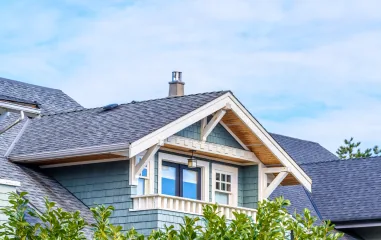
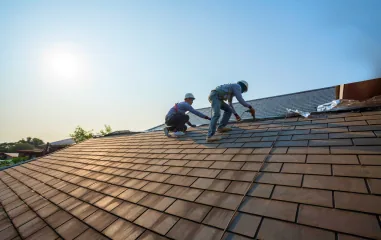










Roof maintenance combines routine observation, drainage and debris management, professional inspection, and minor preventive corrections. Homeowners can check many conditions from the ground or inside the home, but roof access, diagnosis, and technical work should be left to trained professionals.
Safety first
Do not walk on a roof to complete this guide. Stay off wet, steep, hot, icy, tile, metal, or visibly damaged roofing. If you see sagging, a fallen tree, downed power lines, water near electrical equipment, or rapid interior leaking, keep away from the affected area and request appropriate emergency help.
“Roof maintenance” is often used as a catch-all phrase, but inspection, preventive maintenance, and repair are not the same service. Knowing the difference helps you request the right type of help and understand what a contractor’s proposal does—or does not—include.
Honest note: service names vary by contractor.
Before scheduling, ask what will be inspected, what minor work is included, what would require a separate repair authorization, and what documentation you will receive. Maintenance can preserve serviceable components and reveal changes early, but it cannot restore a roof that is no longer repairable.
A practical rhythm is to complete a detailed ground-level and interior review in spring and fall, observe drainage during rain when it is safe to do so, and repeat the relevant checks after significant weather. Roof age, material, surrounding trees, prior problems, warranty requirements, and local exposure may justify more frequent professional evaluation. Tap any step to see what to look for. Your progress is saved on this device, and you can print the checklist to keep with your records.
0 of 12 steps complete
Look for: Missing, shifted, lifted, cracked, or visibly worn roofing; displaced ridge or edge materials. Who: Homeowner observation from the ground with binoculars or phone zoom. Next step: Photograph the change and schedule a professional inspection.
Look for: New dents or impact marks on gutters, vents, siding, screens, or other visible surfaces. These are clues, not proof of roof damage. Who: Homeowner observation from a safe location. Next step: Document the property and request an inspection when roof damage is possible.
Look for: Overflowing gutters, slow downspouts, water spilling behind gutters, or discharge collecting near the home. Who: Homeowner observation; ground-level outlet clearing only when safely accessible. Next step: Arrange gutter or drainage service if flow remains restricted or components are loose.
Look for: Leaves, pine needles, branches, or other material collecting at roof edges, valleys, or drainage points. Who: Homeowner observation; roof-level removal by a professional. Next step: Have debris removed without pressure washing or damaging the roof surface.
Look for: Flashing that appears lifted, separated, bent, corroded, or incomplete around chimneys, walls, skylights, and vents. Who: Homeowner observation from the ground; close evaluation by a professional. Next step: Schedule an inspection. Do not lift materials or apply caulk as a substitute for diagnosis.
Look for: New ceiling or upper-wall stains, bubbling paint, damp drywall, musty odors, or active drips. Who: Homeowner interior observation. Next step: Document the location; request prompt help for active or expanding moisture.
Look for: Water staining, damp insulation, moisture on decking or framing, visible daylight, or unusual odors in an accessible attic. Who: Homeowner only if the attic is dry, safely accessible, adequately floored, and free of electrical or structural hazards. Next step: Leave unsafe areas immediately and arrange professional evaluation.
Look for: Blocked soffit, ridge, or roof vents; displaced vent components; recurring condensation or moisture evidence. Who: Homeowner observation; system assessment by a professional. Next step: Do not assume the cause. Request evaluation of ventilation and moisture sources.
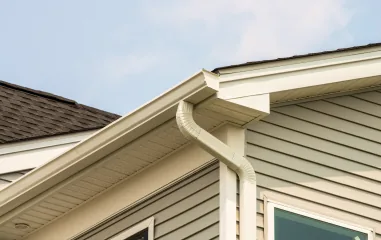
Look for: Bent, loose, detached, or deteriorated gutters, downspouts, fascia, and soffits. Who: Homeowner observation from the ground. Next step: Arrange professional repair if components are loose, damaged, or not draining correctly.
Look for: Branches touching or overhanging the roof, dead limbs, and trees that appear unstable. Who: Homeowner observation; qualified tree professional for cutting near a roof or utility. Next step: Have hazards evaluated and trimmed without dropping material onto the roof.
Look for: Changes since the last set of photos, including new discoloration, debris, movement, or interior evidence. Who: Homeowner. Next step: Save dated photos from consistent locations and note what changed.
Look for: Conditions that cannot be safely confirmed from the ground or inside. Who: Qualified roofing professional. Next step: Obtain documented findings and a clear maintenance, repair, or monitoring recommendation.
Looking and documenting from a safe location.
Work completed without roof access or unsafe ladder use, such as clearing an accessible downspout outlet at ground level.
Roof access, close diagnosis, material removal, sealant or flashing correction, shingle work, structural evaluation, and other technical repairs.
Texas and Louisiana do not share one identical climate, and conditions vary considerably between inland, coastal, northern, and central markets. Use the seasons as planning checkpoints, then let actual weather events determine when an extra check is needed. Each season has a different priority—the same component should not be “maintained four times” simply because it appears on four seasonal lists.
Spring is a useful time to establish a documented baseline before the most active period of thunderstorms, hail, heavy rain, and high winds. Walk the property after winter rain, wind, or freezes and compare the roof to previous photos.
Weather trigger: After winter rain, wind, or a freeze; before the first severe-weather run. Call a professional when: You find movement, leakage, repeated granule accumulation, or another unexplained change.
Long periods of heat and ultraviolet exposure can make existing wear easier to see. Ventilation is part of a system, so a hot attic alone does not identify a single cause or prove that more vents should be added.
Weather trigger: Extended heat waves and the first heavy rain after a dry stretch. Call a professional when: You see dried sealant, loose fasteners, or flashing changes—these are inspection items, not DIY repair prompts.
Fall is the time to prepare drainage paths for leaves, wind, and wetter weather. Review concerns documented earlier in the year and complete necessary professional repairs before weather or scheduling makes the work more difficult.
Weather trigger: Leaf drop and the first sustained wet stretch of the season. Call a professional when: A condition has changed, remains unresolved, or cannot be safely evaluated.
Winter maintenance in M&M’s markets should focus on wind, rain, interior moisture, falling debris, and abrupt temperature changes. Snow and ice are not the primary concern across most of Texas and Louisiana, but occasional freezes can expose drainage or moisture problems.
Weather trigger: High-wind events, prolonged rain, and hard freezes with a thaw behind them. Call a professional when: You see a sagging roofline, a displaced large component, a fallen branch, or a rapidly spreading leak—treat these as urgent.

Calendar-based roof maintenance is incomplete in Texas and Louisiana. Recheck the property after significant weather once conditions are safe. The goal is to identify changes and determine the next step—not to diagnose storm damage from the ground or prove that a claim is covered.
Check safely: Ceilings, upper walls, accessible attic areas, gutters, downspouts, and visible roof transitions.
Warning signs: New stains, damp insulation, musty odors, active drips, overflow, or water collecting where it did not before.
Recommended action: Document the location. Request prompt roof or leak help for active water entry; arrange inspection for new but inactive evidence.
Check safely: Roof surface and edges from the ground; yard, gutters, vents, fascia, soffits, and nearby trees.
Warning signs: Missing or lifted material, displaced ridge caps or flashing, loose gutters, roofing pieces on the property, or a fallen branch.
Recommended action: Keep away from loose or suspended materials. Request urgent help for openings or unstable debris; otherwise schedule inspection.
Check safely: Visible roof and exterior surfaces from the ground; gutters, vents, siding, screens, outdoor equipment, and vehicles.
Warning signs: New dents, cracked exterior components, displaced roofing, or unexplained granules. Collateral marks are clues, not a roof diagnosis.
Recommended action: Photograph wide views and close-ups from safe locations. Arrange a professional roof inspection if damage is possible.
Check safely: Drainage from the ground and interior areas after thawing.
Warning signs: Blocked drainage, displaced components, new moisture, falling ice, or tree debris.
Recommended action: Keep people away from falling hazards. Do not climb or chip at roof ice; request professional help when drainage, damage, or safety is a concern.
Check safely: Observe from a protected ground location and check interior areas only if safe.
Warning signs: Puncture, sagging, structural movement, exposed roof layers, broken framing, or rapid leakage.
Recommended action: Do not remove a large limb from the roof. Keep clear and contact appropriate emergency, utility, tree, structural, and roofing professionals.
Preserve photographs and records, take only safe steps needed to prevent additional damage, retain receipts, and review the policy or contact the insurer for coverage guidance. A roofing contractor can document physical conditions and propose work, but the insurer determines coverage under the policy.
Different roofing systems have different visible warning signs and maintenance needs. The observations below help homeowners recognize changes; they are not instructions for walking on the roof, opening the system, or completing repairs.
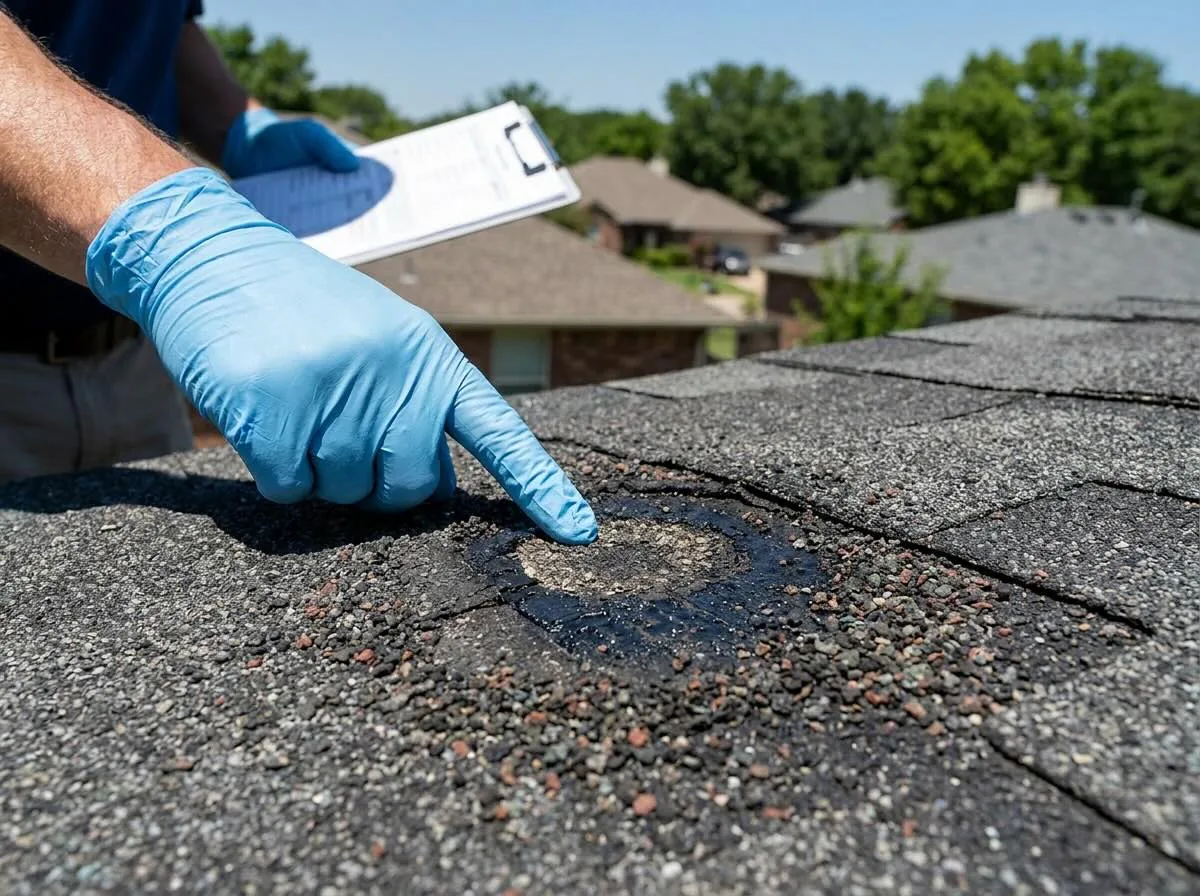
Asphalt shingles are surfaced with protective granules over an asphalt-coated base. Some granules release over time, so compare patterns and photographs rather than treating any amount as proof of failure. High-pressure washing can remove granules or lift shingles and should not be used as a general cleaning method.
Watch for: Missing, lifted, cracked, curling, blistered, or visibly bare areas; changes at ridge caps; unusual granule accumulation at downspout exits; dark streaks, algae, moss, or lichen.

Metal-roof maintenance depends on the system. Exposed-fastener panels require attention to visible fasteners and washers, while standing-seam systems place most fasteners beneath the panels. Metal surfaces can be slippery and can be dented by improper foot traffic.
Watch for: Loose trim, open seams, displaced panels, scratches or coating damage, corrosion, sealant changes at penetrations, and debris collecting where water should drain.

Tile can be fragile under foot, and a roof may depend on concealed underlayment and flashing even when the visible tile looks intact. Do not walk on tile to confirm a suspected problem.
Watch for: Cracked, slipped, displaced, or missing tiles and changes around ridges, hips, valleys, walls, and penetrations.

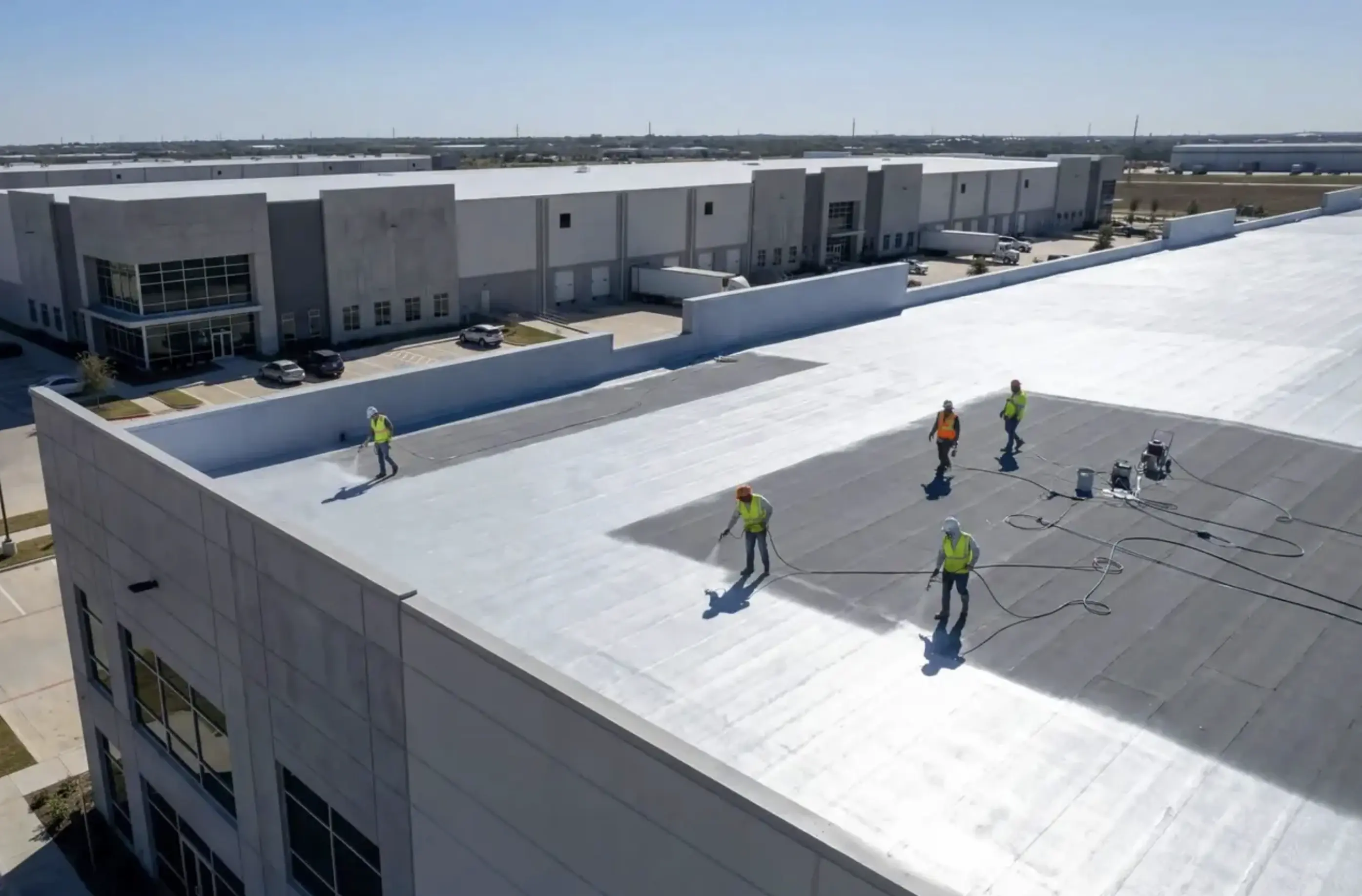
Low-slope roofs require particular attention to drainage. These systems vary widely, and inspection or repair methods depend on the membrane, coating, insulation, drainage design, and warranty.
Watch for: Water that remains after rain, blocked drains or scuppers, debris, open seams, punctures, bubbles, displaced edge metal, or surface changes.

Low-slope systems vary widely, and inspection or repair methods depend on the membrane, coating, insulation, drainage design, and warranty. This residential guide provides only a short boundary—commercial and larger low-slope systems belong in M&M’s commercial roofing resources.
The categories below are based on observable conditions, not a remote diagnosis. When in doubt—especially where safety, electricity, structural movement, or active water is involved—choose the more cautious response.
Take a dated photo from the same location and note the weather. Monitoring is appropriate only when there is no active leak, exposed roof layer, loose component, or structural concern.
Request documented findings and a clear maintenance, repair, or monitoring recommendation.
Contact the appropriate emergency service or utility before addressing the roof.
For a utility, fire, gas, flooding, or structural emergency, keep away from the affected area and contact the appropriate emergency service or utility before addressing the roof. Do not enter an attic or room that may be electrically or structurally unsafe.
A professional visit should have a defined scope and produce a useful record. The exact service varies by contractor and property, so confirm what is included before the appointment. Depending on roof type, access, condition, and the agreed service, a visit may evaluate:

Whether minor preventive corrections are included or quoted separately. A “tune-up” might cover selected sealant, fastener, or debris work for one contractor and mean something different for another. Obtain authorization and pricing before additional repair work begins.
The most valuable deliverable:
Not a statement that the roof “looks good”—it is a dated record of what was observed, what was completed, what was excluded, and when follow-up is recommended.
A roof record turns scattered photos and invoices into a useful history. It helps you compare conditions over time, explain prior work to a contractor, locate product and warranty information, and establish what changed after a storm. Store it where it remains accessible even if a phone is lost or a contractor changes systems.
Review the actual manufacturer and workmanship warranty documents for required procedures, exclusions, notice rules, and approved service methods. Do not rely on a universal maintenance schedule.
Check visible roof and interior conditions throughout the year, with a more deliberate review in spring and fall and another check after significant hail, wind, heavy rain, falling debris, or a freeze. Properties with heavy tree cover, prior leaks, older materials, or recurring drainage problems may need a tighter schedule.
There is no single interval that fits every roof. Follow the roof and workmanship warranty requirements, and consider material, age, exposure, previous findings, and severe-weather history. Arrange a professional inspection promptly when something changes or when a condition cannot be safely evaluated.
Homeowners can make ground-level observations, photograph the roof with zoom or binoculars, check ceilings and safe interior areas, maintain records, and clear accessible downspout outlets at ground level. Roof access, unsafe ladder work, material lifting, flashing or sealant work, and technical cleaning or repair should be left to trained professionals.
No. An inspection observes and documents conditions. Maintenance performs preventive tasks intended to keep a serviceable system functioning as designed. A repair corrects identified damage or failure. Some contractors combine inspection and limited maintenance in a “tune-up,” so confirm the scope.
After heavy rain, look for new interior moisture, attic evidence, overflow, and drainage changes. After hail, look from the ground for changes to visible roofing and collateral surfaces such as gutters, vents, siding, screens, or outdoor equipment. Do not climb onto the roof to diagnose hail damage; document conditions and request an inspection when damage is possible.
High-pressure washing should not be used as a general asphalt-shingle cleaning method because it can remove surface granules or lift shingles. Follow the specific shingle manufacturer’s published care instructions and use a qualified professional when cleaning requires roof access or chemical treatment.
Yes. The relevant tasks depend on the metal-roof system. Common inspection points include seams, trim, coatings, penetrations, drainage, sealants, and exposed fasteners where present. Close inspection, cleaning, and correction should follow the manufacturer’s instructions and be performed with appropriate fall protection and system knowledge.
Maintenance addresses routine preventive needs on a serviceable roof; repair corrects a confirmed defect or damaged component. If material is missing, flashing has separated, water is entering, drainage remains impaired, or the cause is uncertain, request an inspection instead of trying to classify or fix the issue yourself.
Yes. Keep dated photographs, inspection findings, estimates, invoices, product information, and warranty documents. Consistent records make it easier to identify change, explain prior work, and provide accurate information after a storm or when the property is sold.
It can. Warranty terms differ, and the actual documents control. Review both manufacturer and workmanship warranties for required maintenance, approved methods, notice procedures, exclusions, and recordkeeping. Do not assume one contractor’s recommended schedule applies to every product or warranty.
Age alone does not decide the answer. A professional should consider the distribution and cause of damage, material condition, recurring leaks, decking or structural concerns, repairability, product availability, prior work, and whether a durable repair can integrate with the existing system. Maintenance cannot substitute for necessary repair or replacement.
Observe the property throughout the year, complete focused spring and fall reviews, and recheck after significant weather. Stay on the ground, use interior evidence and dated photographs, and request professional evaluation when a condition changes or cannot be safely assessed.
M&M Roofing serves homeowners through its Houston, Austin, San Antonio, Beaumont, Seabrook, and Lake Charles locations.
No obligation. We’ll call back the same business day.
General information, not safety or professional advice for your specific situation.
Back to top ↑