













After a hailstorm, it’s critical to inspect your roof for damage that can lead to costly leaks. This guide explains how to identify different types of roof hail damage, from subtle bruising on asphalt shingles to major cracks, and outlines the exact steps to take for documenting the damage, filing an insurance claim, and choosing a reputable contractor for repairs.
If you live in Austin, San Antonio, or anywhere in Central Texas, you know that hailstorms are a matter of when, not if. A sudden storm can be a seriously destructive force, and your roof is the first line of defense. Depending on the size of the hailstones, they can cause massive damage to property, particularly what we in the business call “roof hail damage.”
After a storm passes, you might look at your roof and wonder what to do next. In this guide, I’ll walk you through exactly what hail damage looks like and the steps you should take to get it repaired correctly.
How to Visually Identify Roof Hail Damage
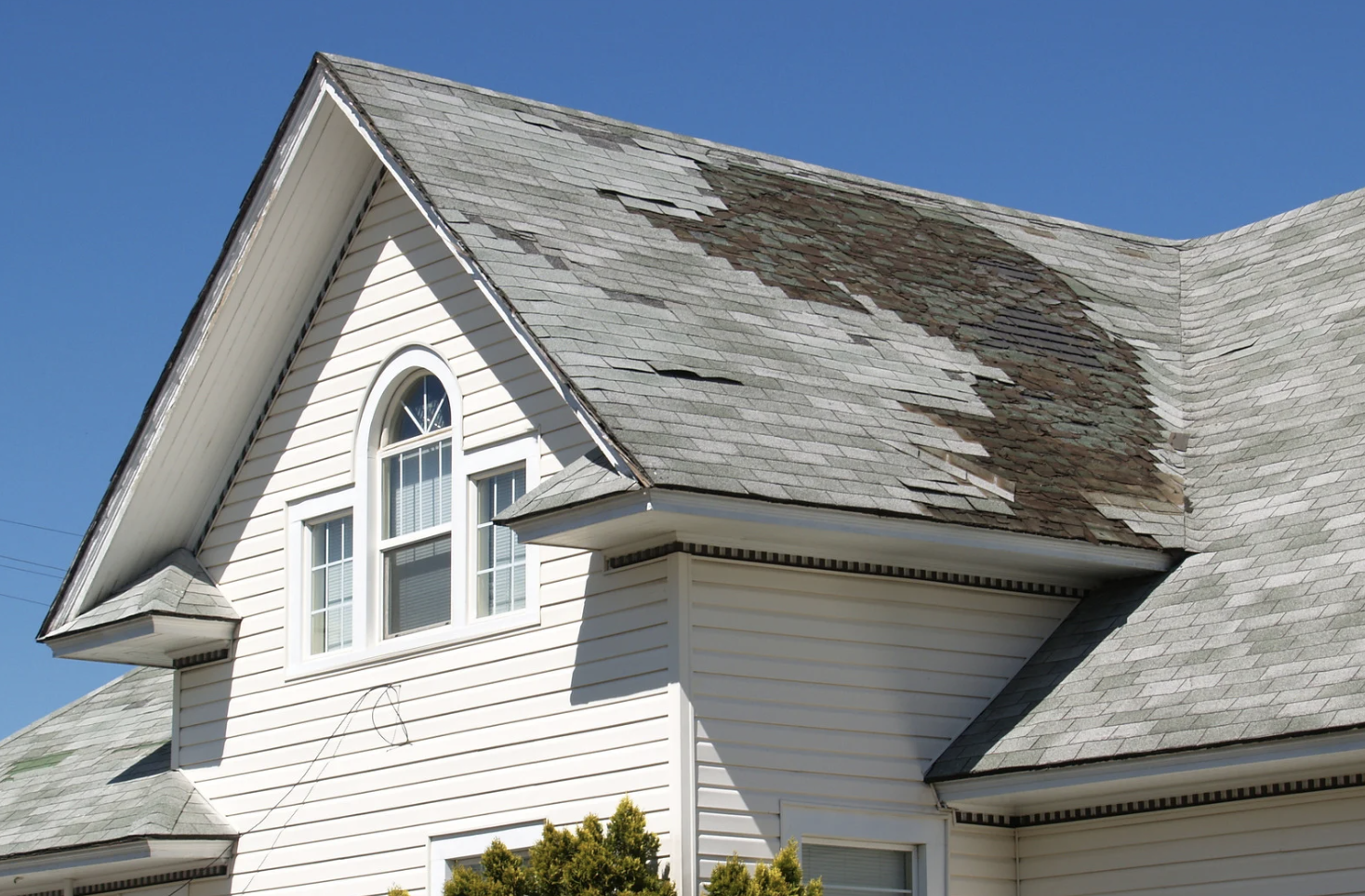
First things first, you need to know what you’re looking for. Hail damage isn’t always as obvious as a gaping hole in your roof. On asphalt shingle roofs, which are the most common in Texas, the signs can be subtle but significant.
1. Granule Loss on Asphalt Shingles
Think of the granules on your shingles as a layer of sunscreen for your roof. When hail hits, it can knock these granules off, exposing the asphalt layer underneath. Look for spots on your shingles that appear black, shiny, or “bald.” You’ll also often find a collection of black granules in your gutters and downspouts after a storm.
2. Bruising and Dents
Hail can leave soft spots or “bruises” on your shingles. If you gently press on a shingle in a suspected impact area, it might feel soft and spongy, like a bruised apple. You may also see visible dents or divots, which are easier to spot when the light hits your roof from the side.
3. Cracking or Chipping (Shingles & Tiles)
Larger hailstones can cause shingles to crack, often in a circular pattern around the point of impact. On tile or slate roofs, this is more obvious, with visible chips or full-blown cracks in the material. This kind of damage is serious and requires immediate attention.
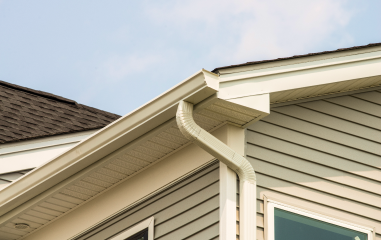
4. Damage to Gutters, Vents, and Flashing
Don’t forget to check the metal components of your roof. Hail often leaves clear dents and dings on soft metal like aluminum gutters, roof vents, and flashing. If you see damage here, it’s a strong sign that your shingles likely took a beating as well.
A quick word on safety: Please, do not climb on your roof if it’s wet, steep, or you’re not 100% comfortable. Your safety is worth more than any roof. If you have any doubts, call a professional for a free inspection.
How Hail Size Correlates to Roof Damage
Not all hail is created equal. After 40 years of inspecting roofs across Texas, I can tell you that size is the biggest factor in determining the extent of the damage. Here’s a simple breakdown of what to expect.
| Hail Size (Diameter) | Common Comparison | Potential Roof Damage |
|---|---|---|
| 0.75″ or less | Pea to Penny-Sized | Minimal damage to new roofs. May cause some granule loss on older asphalt shingles. |
| 0.75″ to 1.25″ | Nickel to Half-Dollar Sized | Significant granule loss and bruising on asphalt shingles. Dents in metal flashing and gutters. |
| 1.25″ to 2.0″ | Golf Ball Sized | Severe bruising and potential for shingles to crack. High probability of needing a full roof replacement. |
| 2.0″ or larger | Tennis Ball Sized or Larger | Widespread, severe damage. Shingles will be cracked or shattered. High likelihood of structural damage to the roof decking. |
Your 4-Step Plan After a Hailstorm
Step 1: Document Everything Immediately
If you see any significant hail damage, it’s critical to document it. Use your phone to take pictures and videos of everything—dents in shingles, cracked tiles, damaged gutters, and even a photo of the hail itself if you can do so safely. Make a note of the date and time the storm occurred. Your insurance company will need this.
Step 2: Get a Professional Roof Inspection (Before Calling Insurance)
This is a big one. Before you even think about calling your insurance company, have a reputable roofing contractor perform a thorough inspection. Why? Because an honest roofer will give you an unbiased, expert opinion on the extent of the damage. We can tell you if a claim is truly warranted. This prevents you from filing an unnecessary claim, which can sometimes raise your premiums, and it arms you with a professional assessment when you do talk to the adjuster. At M&M Roofing, we offer a completely free, no-obligation storm damage inspection for this exact reason.
Step 3: Review Your Insurance Policy & File Promptly
Pull out your homeowners insurance policy and review the section on hail and wind damage. Understand your deductible and any specific deadlines for filing a claim. Most policies require you to file within a year of the storm, but it’s always best to act quickly. When you file, provide all the documentation you gathered in Step 1 and mention that you have a report from a professional roofing contractor.
Step 4: Choose a Reputable, Local Roofing Contractor
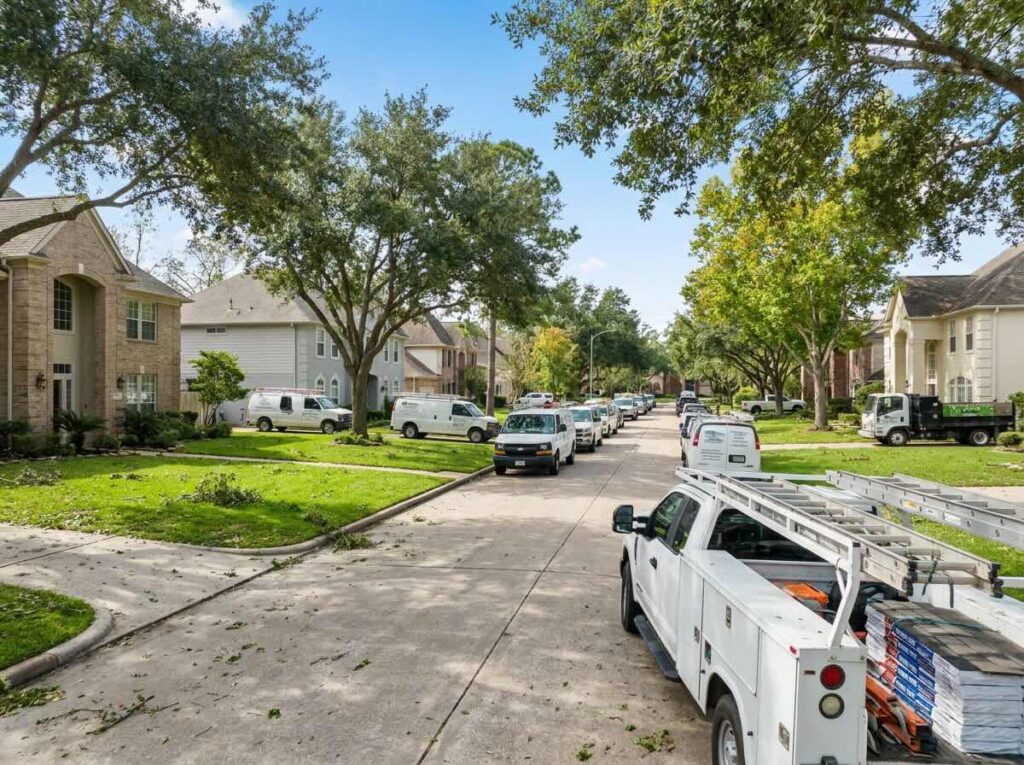
After a big storm, you’ll see an influx of “storm chaser” roofing companies. These are often out-of-state crews that pressure you into signing a contract, do a shoddy job with cheap materials, and are gone before the first leak appears. Look for a local company with a long history in your community. At M&M, we’ve been installing roofs in Texas for over 40 years and have completed more than 100,000 projects. We live here, we work here, and we stand by our work with a lifetime warranty.
Frequently Asked Questions About Hail Damage & Insurance
Does my homeowners insurance cover roof hail damage?
In most standard Texas homeowners insurance policies, yes. Hail damage is considered an “act of God,” and damage from it is typically a covered peril. However, policies can vary, so you must read yours to understand your specific coverage and deductible.
How long do I have to file a hail damage claim?
This depends on your insurance provider, but most policies in Texas have a deadline of one year from the date of the storm. Waiting too long can result in your claim being denied, so it’s crucial to act promptly.
Should I get a roof inspection before calling my insurance company?
Yes, I strongly recommend it. As I mentioned above, a trusted contractor can verify the extent of the damage and provide you with an expert assessment. This helps you decide if a claim is necessary and gives you valuable documentation when you speak with your insurance adjuster. It ensures you’re on a level playing field. If you’re unsure whether to call your roofer or insurance first, always start with the roofer.
What if my insurance claim is denied?
If your claim is denied but you and your contractor believe there is legitimate damage, you can request a second inspection with a different adjuster. You can also hire a public adjuster to represent you. Having a detailed report from your roofing contractor is your most powerful tool in this situation.
Final Thoughts
Hail damage to your roof can be a stressful and expensive problem. But by taking these steps and working with a reputable, local roofing company, you can navigate the process smoothly and ensure your home is protected. With proper preparation and the right partner, you can be confident your roof is resilient against whatever the next Texas storm throws at it.
If you have hail damage to your roof and want a FREE roof inspection to assess the damage, call us today. We’ll help you understand the damage and walk you through the entire insurance and repair process.

M&M Roofing, Siding & Windows has served homeowners across Texas and Louisiana for more than 40 years. Backed by over 100,000 completed home improvement projects, M&M offers expert insight on roofing, siding, windows, gutters, storm damage, and exterior restoration, helping homeowners make confident, informed decisions about their property.