









Your Roof Is an Asset. Your Insurer Sees It as a Risk.
Most homeowners only think about their roof when something goes wrong. A leak appears in the ceiling, a storm rolls through, or a neighbor points out a missing shingle. For your insurance company, however, your roof is a constant focus. It is the single most expensive and vulnerable part of your home, and its condition is the primary factor they use to calculate their risk.
This is especially true in Texas. Our state leads the nation in hail and wind damage claims, which means insurers here look at roofs with an extremely critical eye [1]. Whether you are buying a new home, renewing your policy, or filing a claim, your insurer will demand to know the exact condition of your roof.
That is where a roof inspection for insurance comes in. It is not just a formality. It is the official record that determines your coverage eligibility and the outcome of a claim. Understanding this process is one of the most important things you can do as a homeowner to protect your investment.
What Is a Roof Inspection for Insurance?
A roof inspection for insurance is a comprehensive evaluation of the condition, integrity, and remaining lifespan of your roofing system. Unlike a quick look from the street, a professional inspector conducts a detailed, hands-on examination of every component of your roof.
The final report serves as a legal document for the insurance company. It provides them with the objective data they need to either write a new policy, approve a renewal, or validate a damage claim. For the homeowner, it provides a baseline record of the roof’s condition at a specific point in time, which is invaluable evidence if a dispute arises later.
This distinction matters. An insurance company’s adjuster is assessing the company’s liability. An independent inspection by a qualified roofing contractor is being conducted to document the full reality of your roof’s condition. Having both perspectives documented is how you protect yourself.
When Is an Insurance Roof Inspection Required in Texas?
Insurance companies can require an inspection at several key moments. Knowing when to expect one helps you prepare.
| Scenario | Why an Inspection Is Needed |
|---|---|
| Buying a New Home | Lenders and insurers need to verify the condition of the roof before finalizing a mortgage or policy. A poor inspection can derail a sale. |
| Renewing Your Policy | If your roof is 10 to 15 years old or older, your insurer will likely require an inspection to decide if they will renew your coverage and under what terms. |
| After a Major Storm | An inspection is mandatory to file a claim for hail or wind damage. The report documents the extent of the damage and proves it was caused by a specific, covered event. |
| Switching Insurance Providers | A new insurance company will almost always require an inspection to assess their risk before offering you a policy. |
The Adjuster’s View: What Insurance Inspectors Look For
Insurance adjusters and professional roof inspectors are trained to spot specific types of risk. They are not just looking for a few missing shingles. They are building a complete profile of your roof’s health. The goal is to separate damage caused by a specific, covered event from damage caused by time, neglect, or improper installation [2].
Here is what is on their checklist:
- Roof Age and Material
The first thing they note is the age of your roof and what it is made of. An asphalt shingle roof over 15 years old is a red flag for many Texas insurers. As roofs age, some companies will switch your coverage from Replacement Cost Value (RCV) to Actual Cash Value (ACV), which factors in depreciation and pays out significantly less [3]. They will also document the material type (asphalt, metal, tile, etc.) as this is a primary factor in durability and expected lifespan.
- Signs of Storm Damage
This is the primary focus after a weather event.
- Hail Damage: They look for bruising on shingles, dents in flashing or vents, and missing granules on the shingles. Hail bruises are often subtle. They feel like a soft spot when pressed, similar to a bruise on fruit, because the impact has fractured the underlying fiberglass mat.
- Wind Damage: They check for lifted or creased shingles where the sealant strip has broken, as well as missing shingles or tabs. Wind damage often starts at the corners and edges of the roof, where uplift forces are greatest.
- General Wear and Tear
This is what adjusters look for to deny claims. They document issues that are not from a specific storm event.
- Curling or Buckling Shingles: A sign of an aging roof or poor attic ventilation. In Texas, where attic temperatures can exceed 160 degrees Fahrenheit in summer, ventilation problems accelerate this process dramatically.
- Granule Loss: Bald spots on asphalt shingles indicate the protective layer has worn away. Granules are the first line of defense against UV degradation. Once they are gone, the shingles’ lifespan is measured in months, not years.
- Cracking or Crazing: Fine lines on the shingle surface that show age and sun damage.
- Structural and Installation Issues
- Flashing Integrity: They inspect the metal strips around chimneys, vents, and skylights to ensure they are sealed and not rusted or damaged. Failed flashing is one of the most common sources of roof leaks, and it is often missed in a hurried inspection.
- Ventilation: Proper attic ventilation is critical in Texas. Blocked or inadequate vents trap heat and moisture, prematurely aging the roof from the inside out. An inspector will check both intake vents at the soffits and exhaust vents at the ridge or gable.
- Decking Condition: From inside the attic, they look for signs of sagging, water stains, mold, or soft spots on the underlying roof deck. This interior inspection is where hidden damage from slow leaks becomes visible.
- Maintenance and Surrounding Environment
- Debris and Growth: Piles of leaves, moss, or algae growth can trap moisture and indicate a lack of maintenance. Moss is particularly damaging because its root structure works into the shingle surface and lifts it over time.
- Overhanging Trees: Large branches hanging over the roof are a direct threat and a sign of risk to an insurer. They can cause impact damage in a storm and constantly deposit debris that accelerates deterioration.

How to Prepare: Your Pre-Inspection Checklist
You should never be a passive observer in this process. Taking a few proactive steps before the inspector arrives can have a significant impact on the outcome. This preparation shows the insurance company that you are a responsible homeowner who maintains your property.
Before the Inspection:
- [ ] Clear Your Roof and Gutters: Remove any leaves, branches, or other debris from the roof surface and gutters. A clean roof shows you are on top of maintenance.
- [ ] Trim Overhanging Branches: Cut back any tree limbs that are touching or hanging directly over the roof. This removes an obvious hazard.
- [ ] Ensure Safe Access: Make sure the inspector has a clear and safe path to access all parts of your roof and attic.
- [ ] Gather Your Documents: Have your current insurance policy and any records of past roof repairs or inspections ready. This documentation helps establish a timeline of your roof’s history.
- [ ] Note Any Known Issues: Write down any areas where you have noticed leaks, soft spots, or visible damage. Providing this information to the inspector helps ensure nothing is missed.
During the Inspection:
- [ ] Be Present and Available: Be home for the inspection to answer any questions the inspector may have.
- [ ] Point Out Areas of Concern: If you have noticed specific leaks or areas of damage, point them out to the inspector.
- [ ] Ask for a Walk-Through: Once the inspection is complete, ask the inspector to walk you through their findings and explain what they will be putting in their report.
- [ ] Request a Written Copy: Always get the full report in writing, with photos. A verbal summary is not enough.
Common Reasons Insurance Claims Are Denied in Texas
Even with a professional inspection, claims can be denied. Understanding why can help you avoid these pitfalls. According to the Texas Department of Insurance, nearly half of all home insurance claims in Texas are closed without payment [1]. Here are the most common reasons.
- Damage Is Classified as “Wear and Tear”
This is the most frequent reason for denial. If the inspector determines the damage is from age and gradual deterioration rather than a specific storm, the claim will be denied. Regular maintenance and a pre-storm inspection report are your best defense. They establish a documented baseline that proves your roof was in good condition before the weather event.
- Pre-Existing Damage
The insurer argues the damage was already there before the covered event. This is why having a documented inspection from when you bought the home or from a previous year is so powerful. It creates a before-and-after record that makes it much harder to dismiss new damage as pre-existing.
- Improper Installation or Faulty Workmanship
If the roof was not installed according to local building codes, any resulting failure will not be covered by your insurance policy. This is one of the strongest arguments for using a licensed, reputable contractor for any roof work.
- Damage Does Not Exceed Your Deductible
In Texas, wind and hail deductibles are often 1% or 2% of your home’s total insured value [3]. On a home insured for $400,000, that means you are responsible for the first $4,000 to $8,000 in repairs. If the repair cost is less than your deductible, the claim will be closed without payment. A professional inspection before filing helps you know exactly where you stand before you put a claim on your record.
- Policy Exclusions
Your policy may have specific exclusions for cosmetic damage (like dents to vents that do not affect function) or for certain types of roofs. Review your policy carefully, and ask your agent to explain any exclusions before you need to file a claim.
How Often Should You Get a Roof Inspection in Texas?
Given the harsh Texas climate, proactive inspections are a necessity, not a luxury. Here is a practical schedule to follow:
- Once a Year for Routine Maintenance: A yearly professional inspection helps you catch small problems before they become major issues. It also builds a paper trail of responsible maintenance that is invaluable if you ever need to dispute a denial.
- After Every Major Storm: Do not wait for a leak to appear. After any significant hail or wind event, get your roof checked by a qualified contractor. Hail damage, in particular, can be invisible from the ground but cause serious long-term deterioration.
- Before Listing or Buying a Home: A roof inspection is one of the most important steps in any real estate transaction. For buyers, it reveals potential costs before closing. For sellers, it demonstrates the home’s condition and can prevent last-minute surprises.
What Happens During an M&M Roofing Inspection?
At M&M Roofing, Siding & Windows, our free inspection is a thorough, evidence-gathering process, not a quick look from the driveway. We have been helping homeowners navigate the Texas insurance landscape for over 40 years and across more than 100,000 completed projects. We know exactly what documentation an insurance company needs to process a claim fairly.
Here is what to expect when you call us:
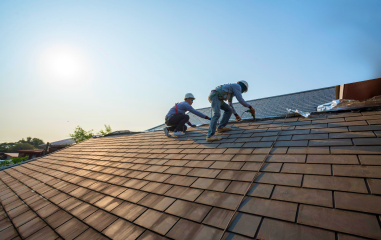
Step 1: Exterior Roof Assessment. One of our project managers physically gets on your roof and inspects every section of the surface. We check shingles, flashing, ridge caps, valleys, gutters, vents, and any other penetrations. We are looking for both storm damage and any pre-existing conditions that could affect your claim.
Step 2: Attic and Interior Check. We inspect your attic for water stains, mold, damp insulation, or soft decking. These interior signs often reveal damage that is not visible from the outside and can be critical evidence for your claim.
Step 3: Time-Stamped Photo Documentation. Every finding is photographed with a high-resolution camera. The photos are time-stamped and tied to specific sections of the roof. This documentation is the backbone of your insurance claim.
Step 4: Written Damage Assessment. We provide you with a clear, written report outlining every issue we found, its likely cause, and our recommendation for repair. This is not a contract. It is your documentation to use however you need.
Step 5: Honest Claim Recommendation. We will tell you directly whether the damage is significant enough to file a claim. If the repair cost is likely to fall below your deductible, we will tell you that too. Filing a claim for sub-deductible damage puts a mark on your policy record without any financial benefit to you.
Step 6: Adjuster Meeting Support. If you decide to file, we will meet the insurance adjuster at your home and walk the roof with them. We point out every item in our report and answer their technical questions. This step alone frequently changes the outcome of a claim.
For a deeper look at the full claims process, see our roof insurance claims guide and our article on whether to contact your insurance company or a roofer first.
We serve homeowners across Houston, Austin, San Antonio, Beaumont, and Lake Charles. If a storm has recently impacted your area, do not wait for a leak to appear. Schedule a free inspection with our team today.
Frequently Asked Questions
What if the inspector finds damage I didn’t know about?
This is one of the primary benefits of a professional inspection. Uncovering hidden damage allows you to address it before it leads to a major leak or structural issue. If the damage is storm-related, the inspection report becomes the basis for your insurance claim. If it is a maintenance issue, you can get it repaired and prevent a future claim denial.
Will a bad roof inspection make my premiums go up?
It can. If an inspection for a new policy or renewal reveals your roof is in poor condition, the insurance company may increase your premium, reduce your coverage to Actual Cash Value (ACV), or even refuse to renew your policy [3]. This is why proactive maintenance and regular inspections are so important. Catching problems early is almost always less expensive than dealing with them after a claim is denied.
Can I do the roof inspection myself?
While you can and should perform visual checks from the ground, a self-inspection holds no weight with an insurance company. An official roof inspection for insurance purposes must be conducted by a qualified professional. Their report is an expert assessment that insurers use as a legal document. What you see from the ground and what a trained inspector finds on the roof are often very different things.
How long is a roof inspection report valid for?
There is no universal expiration date, but most insurance companies will not accept a report that is more than one to two years old, and sometimes as little as six months. For a storm damage claim, the inspection must be performed after the specific weather event to be valid for that claim.
Does M&M Roofing charge for an insurance roof inspection?
We provide a comprehensive roof inspection and consultation at no charge. If your roof is undamaged, we will tell you so. If we find damage, we will provide you with a detailed report and all the documentation you need to confidently contact your insurance company, with no obligation to use our services for the repair.
What is the difference between ACV and RCV coverage for my roof?
Actual Cash Value (ACV) coverage pays the depreciated value of your roof at the time of the claim. Replacement Cost Value (RCV) coverage pays the full cost to replace your roof at current prices. On a 10-year-old asphalt shingle roof, the depreciation under an ACV policy can reduce your payout by thousands of dollars. Many Texas insurers have shifted toward ACV coverage for older roofs, which is why knowing your policy terms before a storm hits is so important [3].
What should I do if my claim is denied after an inspection?
Start by requesting the denial in writing. Texas law requires your insurer to provide a written explanation. If you believe the denial is incorrect, you can submit your independent contractor’s inspection report as additional documentation and request a re-review. If the insurer still disagrees, you have the right to invoke the appraisal process under your policy, or file a complaint with the Texas Department of Insurance. A licensed public adjuster can also advocate on your behalf.
How is a storm damage inspection different from a routine inspection?
A routine inspection is a general health check of your roof’s condition. A storm damage inspection is specifically focused on identifying damage caused by a recent weather event, such as hail bruising, wind-lifted shingles, or impact damage. For insurance purposes, the storm damage inspection must be conducted after the specific event and must document the cause of the damage, not just its existence.
References
[1] Texas Department of Insurance. (2026, January 8). Why would my home insurance claim be denied or not paid? Retrieved from https://www.tdi.texas.gov/tips/why-would-my-home-insurance-claim-be-denied-or-not-paid.html
[2] National Roof Certification and Inspection Association. (2025, December 8). Your Guide to a Roof Inspection for Insurance Claim. Retrieved from https://www.nrcia.org/roof-inspection-insurance-claim/
[3] Texas Department of Insurance. (2025, December 15). Insurance and your roof: What to know when buying a policy or filing a claim. Retrieved from https://www.tdi.texas.gov/tips/replacing-your-roof.html