










1. Active Leaks Inside Your Home
If water is actively dripping or pooling inside your home, that is an emergency.
Roof leaks rarely stay small. Water travels fast and can damage insulation, drywall, flooring, electrical systems, and even structural components. By the time you see water inside, it usually means the problem has already moved past the shingles.
Buckets and towels are not solutions. They are temporary damage control. An active leak should be inspected and repaired as soon as possible to prevent further destruction.
2. Water Stains Spreading on Ceilings or Walls
Even if water is not dripping, spreading stains on ceilings or walls are a serious warning sign.
Brown or yellow discoloration often means moisture is trapped above the surface. That moisture can lead to mold growth, wood rot, and weakened framing if ignored.
If stains grow larger after rain or storms, the roof is likely allowing water in. At that point, waiting can turn a manageable repair into a much bigger project.
3. Missing or Torn Shingles After a Storm
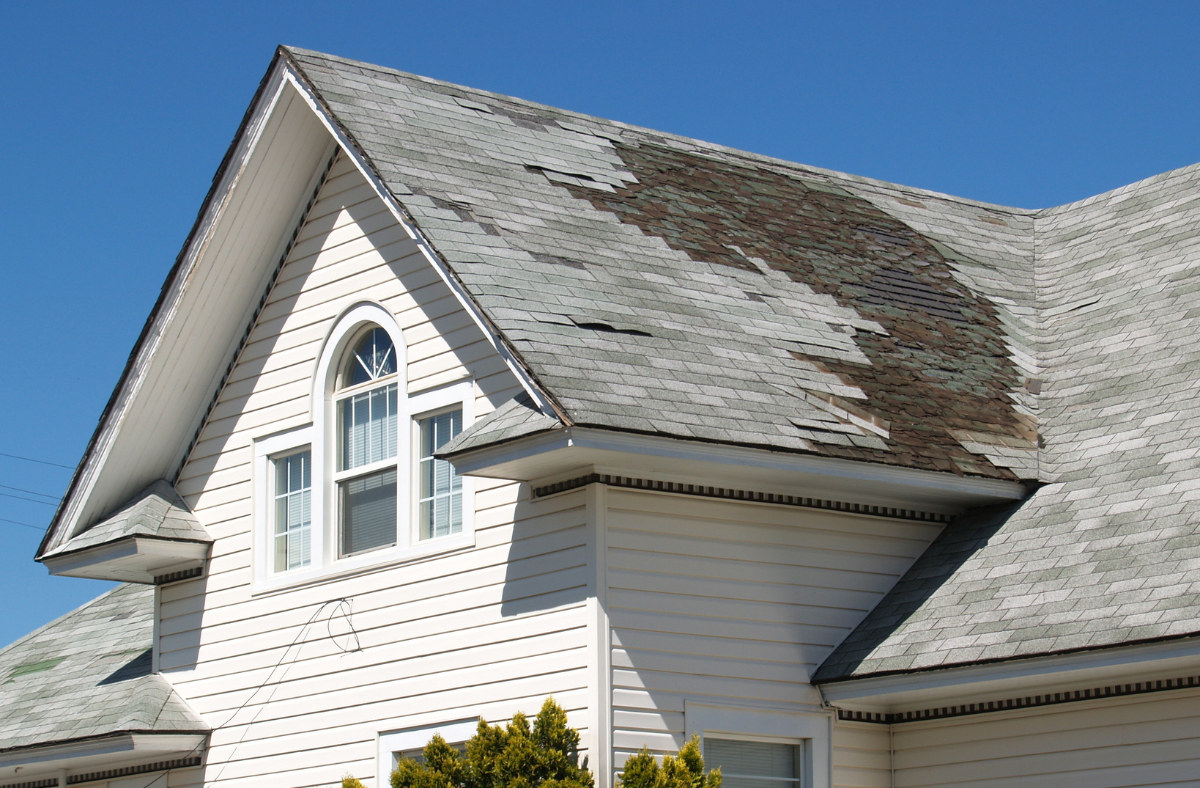
Strong winds, hail, and heavy rain can tear shingles loose in a single storm.
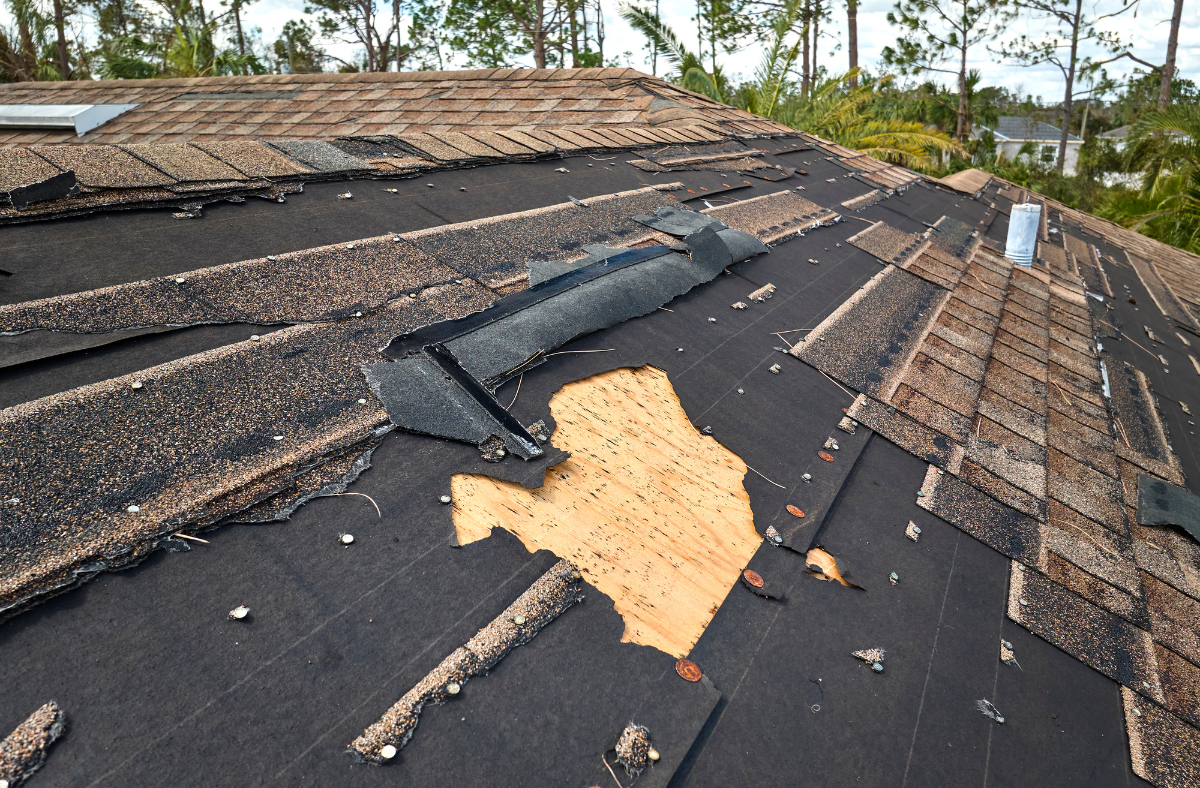
If you notice shingles missing from your roof or find pieces in your yard, your roof’s protective barrier has been compromised. Exposed underlayment and decking are vulnerable to water intrusion, especially during continued bad weather.
Storm damage should be addressed quickly, even if leaks have not started yet. The goal is to prevent the next storm from causing interior damage.
4. Sagging or Uneven Roof Areas
A sagging roofline is never normal and should be treated as urgent.
Sagging often indicates trapped moisture, rotting wood, or structural failure beneath the surface. These issues can worsen rapidly and may even pose safety concerns if left unaddressed.
If any part of your roof looks uneven, bowed, or soft, a professional inspection is critical. Structural problems do not fix themselves.
5. Large Amounts of Shingle Granules in Gutters or Yard
Shingle granules protect your roof from sun damage and help shed water. When granules suddenly appear in large amounts, it is often a sign of severe shingle deterioration or storm damage.
While gradual granule loss is normal over time, heavy shedding after a storm can signal that shingles are failing faster than expected.
A roof losing its granules is more likely to leak, especially during heavy rain. This is often a sign that immediate evaluation is needed.
M&M Roofing, Siding, and Windows offers FREE roof inspections.
If you’re concerned that your roof might be damaged, contact us today.
6. Daylight Visible Through the Attic Roof Deck
If you can see daylight through the roof deck while in your attic, that is a clear emergency.
Light entering the attic means water, wind, and pests can also enter. Even small openings can lead to significant interior damage during storms.
This type of issue should be addressed right away, as it exposes your home to the elements with little protection.
7. Fallen Tree Limbs or Debris on the Roof
When a tree limb falls onto your roof, even if tree damage is not obvious, it can crack shingles, puncture decking, or damage flashing.
Heavy debris resting on the roof adds stress to the structure and increases the risk of collapse or leaks. The longer debris remains, the greater the chance of hidden damage.
Any impact from falling objects should be treated as urgent and inspected promptly.
8. Flashing Pulled Loose or Missing
Flashing protects some of the most vulnerable areas of your roof, including chimneys, vents, skylights, and valleys.
If flashing is missing, bent, or pulled away from the roof, water can enter quickly and travel inside walls or ceilings. Flashing failures often cause leaks that spread far from the original entry point.
Because flashing issues allow direct water intrusion, they should be repaired as soon as possible.
9. Sudden Increase in Indoor Humidity or Mold Smells
If your home suddenly feels damp or musty, especially after rain, your roof may be allowing moisture inside without visible leaks.
Moisture trapped in attic insulation or wall cavities can create mold growth before stains appear. This is not only a structural concern but also a health issue.
Unexplained humidity changes or mold odors should not be ignored and often warrant urgent inspection.
10. Interior Damage After Severe Weather
After major storms, any new interior damage should be taken seriously.
This includes peeling paint, bubbling drywall, warped wood, or unexplained puddles. Even if damage seems minor, it often indicates water intrusion that will worsen with time.
Post-storm damage should be inspected quickly to determine whether emergency repairs are needed and to document issues for insurance purposes.
When Roof Damage Becomes an Emergency
Not every roofing issue requires immediate repair, but emergencies share a few common traits.
They allow active water intrusion, threaten structural integrity, or expose your home to ongoing damage. When those conditions exist, time matters.
Delaying repairs increases the risk of higher costs, more extensive damage, and potential safety concerns.
What to Do If You Suspect Emergency Roof Damage
If you believe your roof may need emergency repair, start by protecting your interior if it is safe to do so. Move valuables away from leaks and use temporary measures only as a short-term solution.
Avoid climbing onto the roof, especially during or after storms. Wet or damaged roofs are dangerous.
Contact a professional roofing contractor like M&M Roofing, Siding, and Windows who can assess the situation, recommend next steps, and help prevent further damage.
Final Thoughts
Roof emergencies are stressful, but recognizing the warning signs helps you act quickly and confidently.
If you notice any of the issues above, it is better to err on the side of caution. Prompt inspection and repair can prevent extensive damage and protect your home for years to come.
Your roof is designed to shield everything underneath it. When it shows signs of failure, giving it immediate attention is one of the smartest decisions a homeowner can make.