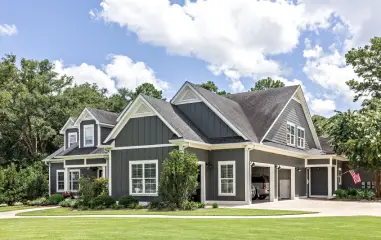
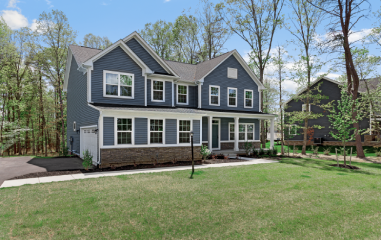
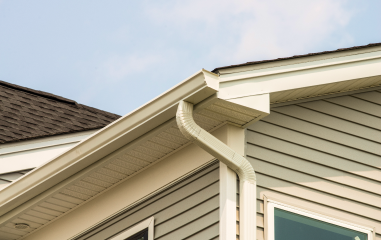






The cost to replace exterior siding on a typical home ranges from $9,600 to $33,000, depending on the material, home size, and local labor rates. Vinyl runs $4 to $8 per square foot installed. Fiber cement costs $7 to $18 per square foot. Wood siding falls between $8 and $14. This guide breaks down what you’ll pay for each material, what drives costs up or down, and how to get the most out of your investment.
What Most Homeowners Don’t Know Before Getting a Quote
Siding costs catch people off guard. Not because contractors are hiding anything, but because most homeowners don’t realize how many variables go into a final number. Material is only part of it. Your home’s size, the number of stories, the condition of what’s underneath the current siding, and the labor rates in your area all move the needle significantly.
We’ve been installing siding across Texas and Louisiana for over 40 years. One of the most common things we hear during estimates is some version of “I looked it up online and saw a totally different number.” That happens because online estimates give you an average. Your home isn’t average. It has its own square footage, its own condition, and its own quirks.
This guide gives you the framework to understand siding costs, compare materials accurately, and walk into any contractor conversation knowing what questions to ask.
Siding Cost by Material: 2026 Overview
Before getting into the details, here’s how the major siding materials compare on cost:
| Siding Material | Cost Per Sq. Ft. (Installed) | Avg. Project Cost (2,000 sq. ft. home) | Lifespan |
|---|---|---|---|
| Vinyl | $4–$8 | $8,000–$16,000 | 20–40 years |
| Fiber Cement (James Hardie) | $7–$18 | $14,000–$36,000 | 50+ years |
| Wood (Cedar/Redwood) | $8–$14 | $16,000–$28,000 | 20–40 years |
| Metal/Aluminum | $4–$16 | $8,000–$32,000 | 40–70 years |
| Engineered Wood | $5–$11 | $10,000–$22,000 | 20–30 years |
These are installed costs, meaning material plus labor. They don’t include removal of old siding or repairs to the underlying structure, both of which we’ll cover below.
How Much Does Vinyl Siding Cost?
Vinyl is the most affordable siding option and the most common in the country for exactly that reason. Installed costs typically run $4 to $8 per square foot, which puts a full replacement at $8,000 to $16,000 for a 2,000-square-foot home.
That range is wide on purpose. Basic vinyl lap siding sits at the lower end. Premium insulated vinyl, which incorporates a foam backing to improve thermal performance and wall rigidity, runs toward the higher end, sometimes exceeding $12 per square foot. The U.S. Department of Energy recommends adding insulation whenever new siding is installed, and insulated vinyl is one of the most practical ways to accomplish that in a single step [1]. Research from Oak Ridge National Laboratory confirms that insulated vinyl delivers measurable R-value improvements over standard vinyl, which can translate to real reductions in heating and cooling costs over time [2].
For most Texas homeowners who need functional, low-maintenance siding without a premium price tag, standard vinyl is a reasonable starting point. It needs no painting, holds up well to everyday weather, and has performed reliably for decades. Where it struggles in our region is under sustained UV exposure and severe hail. The Insurance Institute for Business and Home Safety has documented the importance of proper vinyl installation practices, including manufacturer-approved starter strips and correctly fastened nail hems, for achieving adequate wind performance in high-wind events like those common along the Gulf Coast [3]. Installed correctly, vinyl performs considerably better in storms. Installed to the minimum standard, those failure points show up fast.
How Much Does Fiber Cement Siding Cost?
Fiber cement costs more upfront than vinyl, but it’s the material we recommend most often for homeowners in Texas and Louisiana. Installed costs range from $7 to $18 per square foot, with most full-replacement projects falling between $14,000 and $36,000, depending on home size and complexity.
James Hardie is the dominant brand in fiber cement, and their products have earned that position. HardiePlank lap siding is what most homeowners picture when they think of fiber cement. It’s available factory-primed and in a wide range of pre-painted colors, which reduces long-term painting costs.
The higher upfront cost reflects what you’re actually getting: a material that resists rot, insects, fire, and impact damage far better than vinyl. It doesn’t warp in extreme heat. It doesn’t crack from hail the way vinyl can. Along the Gulf Coast, where humidity and hurricane-force winds put real stress on exterior materials, fiber cement consistently outperforms every other option we work with. IBHS research on wall system performance in high-wind events has found that material selection and installation quality together determine how well a home’s exterior holds up in a major storm. Fiber cement’s weight and rigidity are genuine advantages in those conditions [3].
One thing worth knowing about cost: fiber cement is heavy and requires specialized tools and trained installers. That’s part of why labor costs run higher than for vinyl. If someone is quoting you fiber cement installation at vinyl labor prices, that’s worth questioning.
Our guide on fiber cement vs. vinyl siding walks through the material differences in more detail if you want to dig deeper before making a decision.
How Much Does Wood Siding Cost?
Wood siding costs $8 to $14 per square foot installed. Cedar and redwood are the most common choices for residential applications. Both look genuinely beautiful and carry a natural character that manufactured materials can’t fully replicate.
The catch is maintenance. Wood siding needs to be painted or stained every five to seven years, and in humid climates like Houston or Lake Charles, that timeline often shortens. A project that starts at $16,000 to $28,000 at installation carries ongoing maintenance costs that add up meaningfully over the life of the siding.
We’ve seen homeowners choose wood for the look and regret it once the maintenance reality sets in. That doesn’t mean wood is a bad choice. It’s the right choice for homeowners who genuinely commit to the upkeep, not those who hope to get around to it eventually.
How Much Does Metal Siding Cost?
Metal and aluminum siding spans a wide range: $4 to $16 per square foot installed. The lower end covers basic aluminum lap panels. The upper end reflects premium steel products with factory-applied finishes.
Metal is the longest-lasting option available, with lifespans of 40 to 70 years when properly maintained. For homeowners in Gulf Coast communities where saltwater exposure accelerates corrosion in wood and some engineered products, high-quality aluminum holds up better than most alternatives. The main downside in Texas is visible hail damage. A storm that leaves vinyl with cracked panels can leave metal siding with dents that don’t go away.
What Drives Siding Costs Higher
Material price per square foot is the starting number, not the final one. Here are the factors that most commonly push a project above the baseline estimate.
Home size and complexity. Square footage is the biggest driver of overall cost. Architectural complexity matters just as much per square foot. Homes with multiple gables, dormers, tight angles, and detailed trim require more precise cuts, more labor time, and more waste. A straightforward ranch-style home is significantly cheaper to side than a two-story with complex rooflines.
Number of stories. Two-story homes cost more to side than single-story ones. Scaffolding or lifts add equipment costs, and working at height adds labor time. Expect estimates toward the higher end on multi-story projects.
Old siding removal. Most estimates don’t include the removal of existing siding by default. Removing and disposing of old siding typically adds $1,000 to $3,000 to a project. If that old siding contains asbestos, a material common in homes built before the 1980s, proper removal and disposal can triple that cost.
Substrate repairs. When old siding comes off, what’s underneath doesn’t always look good. Water damage, rot, mold, and compromised sheathing are common findings, especially on older homes or homes in high-humidity areas. Repairs to the wall system can cost several hundred to several thousand dollars, depending on the extent of the damage. We document everything we find and walk homeowners through it before adding any scope.
Windows, doors, and trim. Replacing or wrapping trim around windows and doors during a siding project adds cost but is often worth doing at the same time. New siding around old, deteriorating trim creates problems down the road.
Labor rates. Regional costs vary. In the Houston and Austin metro areas, labor pricing reflects larger Texas markets. In smaller markets like Beaumont or Lake Charles, rates may run differently. Multiple quotes are the most reliable way to benchmark local pricing.
Siding Cost vs. Value: What You Actually Get Back
New siding isn’t just an expense. According to the 2025 Cost vs. Value Report published by Zonda and Remodeling Magazine, exterior improvement projects dominated the top return-on-investment rankings for home remodeling nationwide. Eight of the top ten highest-ROI projects were exterior upgrades [4].
Fiber cement siding replacement came in at 114% ROI nationally, meaning homeowners recouped more than they spent at resale. Vinyl siding replacement delivered 97% ROI nationally, with an average job cost of $17,950 returning $17,313 in resale value. Those are strong numbers compared to most interior remodels.
The reason exterior improvements perform well at resale is practical. Buyers form their first impression before they walk through the door. Siding in poor condition signals deferred maintenance throughout the home, whether that’s true or not. Fresh siding signals the opposite.
Beyond resale, new siding delivers real ongoing value through better energy performance and protection of the structural components behind the wall. The DOE’s Building America program has documented cases where upgrading exterior cladding with added insulation produced measurable reductions in heating and cooling loads [1]. A home with failing siding isn’t just an aesthetic problem. Water getting behind compromised panels can damage insulation, sheathing, and framing in ways that are expensive to fix.
How to Compare Siding Quotes Accurately
Getting multiple quotes is the right move. But comparing them accurately requires knowing what each quote actually includes. Here are the questions worth asking before signing anything.
Does the quote include old siding removal? Some contractors price this separately. You need to know upfront. Does it include a moisture barrier or house wrap? This layer between the siding and the sheathing is not optional. If a quote leaves it out to come in lower, long-term performance suffers. What warranty is included on both material and labor? Material warranties vary by product. James Hardie backs their fiber cement with a 30-year warranty. Labor warranties vary by contractor. At M&M Roofing, Siding & Windows, we back every new installation with a lifetime labor warranty. Is the contractor licensed and insured in Texas or Louisiana? A contractor who isn’t properly licensed shifts liability to you if something goes wrong.
The lowest quote is rarely the best value. Cheap siding labor usually means corners cut somewhere in the process, whether that’s skipping flashing at penetration points, under-nailing panels, or leaving gaps at seams. Those problems don’t show up for a year or two, but when they do, the fix costs more than the original savings.
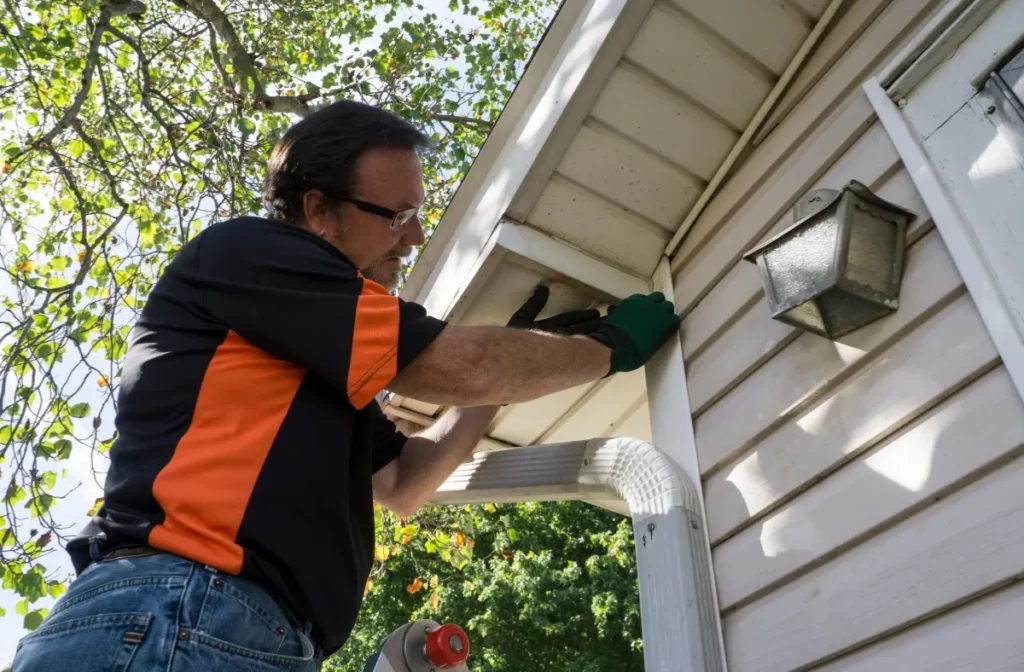
Siding Installation Timeline
For most homes, a full siding replacement takes three to seven business days from start to finish. A straightforward 1,500 square foot ranch with vinyl siding can be done in three days. A larger two-story home with fiber cement and detailed trim work typically takes five to seven days.
Factors that extend the timeline include unexpected substrate damage requiring repair before new siding goes up, weather delays, and project complexity. We walk through a realistic timeline during every estimate so there are no surprises before work starts.
Is Now a Good Time to Replace Your Siding?
Siding costs have tracked with broader material and labor market conditions in recent years. Current pricing is relatively stable, but waiting has its own cost. Siding that’s failing at the joints or showing rot isn’t just an aesthetic problem. Every season it stays up, the water infiltration risk grows. What starts as a $15,000 siding project can turn into a $25,000 project once substrate damage is factored in.
The best time to replace siding is before it fails, not after. If your siding is showing significant wear, the inspection is free and takes about an hour. We’ll tell you exactly what we find and give you an accurate estimate with no obligation to move forward.
Schedule your free siding consultation, and we’ll walk you through your options and what they’ll actually cost for your specific home.
FAQ
How much does it cost to replace siding on a house?
Most full siding replacements run between $9,600 and $33,000 for a typical home, depending on material, size, and regional labor rates. Vinyl projects tend to fall at the lower end. Fiber cement and wood projects typically land higher. A 2,000 square foot home with vinyl siding averages $8,000 to $16,000 installed. The same home with fiber cement averages $14,000 to $36,000.
What is the cheapest siding option?
Vinyl is the most affordable option, starting around $4 per square foot installed. Basic aluminum siding is comparable in cost. Both are significantly less expensive upfront than fiber cement, wood, or engineered wood.
Is fiber cement siding worth the extra cost?
For most Texas and Louisiana homeowners, yes. Fiber cement outperforms vinyl in heat resistance, impact resistance, and moisture management, which are the primary climate stressors in our region. Its 50-plus year lifespan also makes the per-year cost competitive with vinyl despite the higher upfront price. The 2025 Cost vs. Value Report found fiber cement siding replacement delivered 114% ROI at resale nationally.
What factors affect siding installation cost the most?
Home size and material choice are the two biggest drivers. Beyond those, the number of stories, removal of old siding, condition of the substrate, and complexity of trim and architectural details all influence the final number.
How long does siding installation take?
Most full siding replacements take three to seven business days. A smaller single-story home with vinyl can be completed in three days. Larger homes with fiber cement and detailed trim work typically take five to seven days.
Does new siding increase home value?
Yes. According to the 2025 Cost vs. Value Report from Zonda, fiber cement siding replacement returned 114% of its cost at resale nationally. Vinyl siding replacement returned 97%. Exterior improvements consistently rank among the highest-ROI remodeling projects.
Can siding be installed over existing siding?
In some cases. If the existing siding is structurally sound, flat, and free of moisture problems, new siding can go over it. This avoids removal costs but adds thickness to the wall and can create issues around windows and trim. A professional assessment is the most reliable way to determine whether it’s viable for your specific situation.
How do I get an accurate siding estimate?
The most accurate estimates come from in-person assessments where a contractor can measure your home, evaluate the current siding condition, and identify any substrate issues. Online calculators give you a rough range but can’t account for the variables that most affect the final cost. We offer free in-home consultations with itemized estimates so you can see exactly what you’re paying for.
What siding is best for Texas and Louisiana climates?
Fiber cement is our most recommended material for both regions. It handles heat, humidity, and storm exposure better than vinyl, engineered wood, or traditional wood siding. James Hardie products, in particular, are designed for high-humidity and high-wind environments. For homeowners on tighter budgets, properly installed vinyl with a quality warranty is a reasonable alternative.
What does M&M Roofing charge for siding installation?
Every project is different, so we don’t publish a single price. Our estimates are detailed and itemized, and we back every new installation with a lifetime labor warranty. Contact us or schedule a consultation, and we’ll give you an accurate number for your specific home.
What It Really Comes Down To
Siding costs vary widely, and that variation is real, not a contractor’s sales tactic. The material you choose, the size and complexity of your home, and the condition of what’s underneath the existing siding all determine what a project will actually cost.
What doesn’t vary is the value of getting it right. A siding project done with quality materials and proper installation protects your home, improves energy performance, and delivers strong returns if you ever sell. One done cheaply tends to surface its problems within three to five years. And those repairs cost more than the original savings.
If you want to know what siding replacement would actually cost for your home, the fastest path to a real answer is a free consultation. We serve homeowners across Texas and Louisiana through our siding installation services, and we’ll give you an honest assessment of your options and what they’ll cost.
Schedule your free consultation today, and we’ll get you a clear number with no guesswork.
References:
- U.S. Department of Energy, Building America Program — Insulated Siding Retrofit Case Study: https://www.energy.gov/eere/buildings/articles/building-america-technology-solutions-new-and-existing-homes-insulated
- Oak Ridge National Laboratory — Improving the Energy Efficiency of Insulated Siding: https://impact.ornl.gov/en/publications/improving-the-energy-efficiency-of-insulated-siding-by-a-factor-o/
- Insurance Institute for Business & Home Safety (IBHS) — Vinyl Siding Wind Performance and Building Code Standards: https://ibhs.org/building-codes/building-codes-progress/
- Zonda / Remodeling Magazine — 2025 Cost vs. Value Report: https://zondahome.com/2025-cost-vs-value-report/