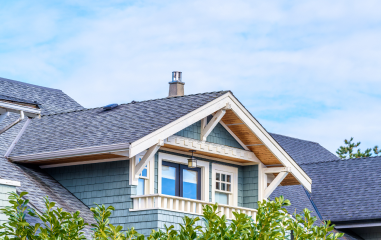
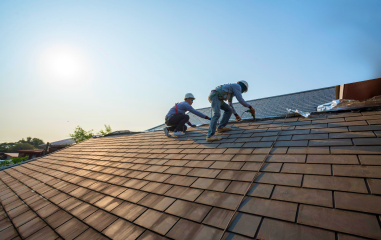




Asphalt shingles are the most widely used residential roofing material in North America, installed on approximately 75% of American homes [1]. They come in three types: 3-tab (budget), architectural/dimensional (most popular), and luxury (premium), with installed costs ranging from $3.50 to $12+ per square foot and lifespans of 15 to 50 years depending on type and climate. The right shingle choice balances upfront cost, how long it lasts, warranty coverage, and local weather. Get this wrong, and you’ll replace your roof twice instead of once.
You just got off the phone with a roofer who mentioned “architectural shingles,” “3-tab,” “dimensional,” and “impact-resistant.” Now you have more questions than before you called.
That’s normal. Most homeowners replace a roof once or twice in their lives. The terminology isn’t obvious, and contractors don’t always take the time to explain it.
Here’s what matters: the shingle you choose affects how much you pay today, how long your roof lasts, how your home looks, and whether your insurance premiums go up or down. In Texas and Louisiana, that last one can mean hundreds of dollars a year.
The most common mistake is choosing shingles based on color alone and realizing too late that a cheap 3-tab in a Texas hail zone needs replacing in 12 years, or that you paid a luxury premium for a shingle that was overkill for your neighborhood.
This guide covers the three types of asphalt shingles, what they actually cost in the TX/LA market, how long they last, and which type makes sense for your specific situation. Read it straight through for a full education, or jump to the section that matters most right now.
What Are Asphalt Shingles?
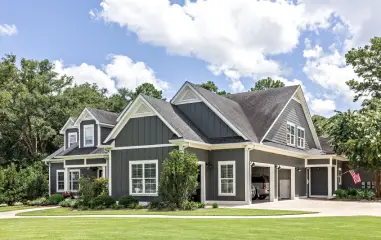
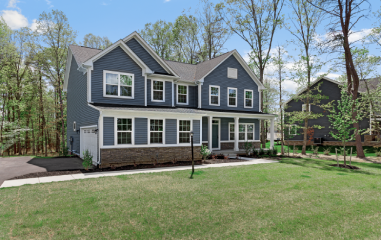
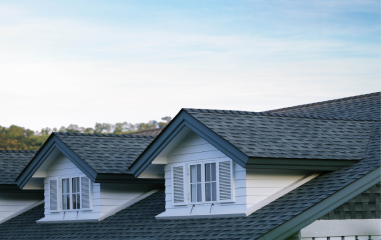
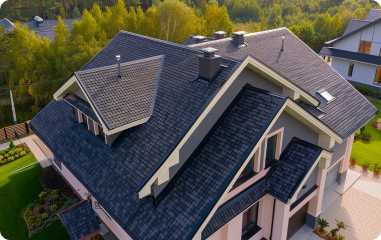
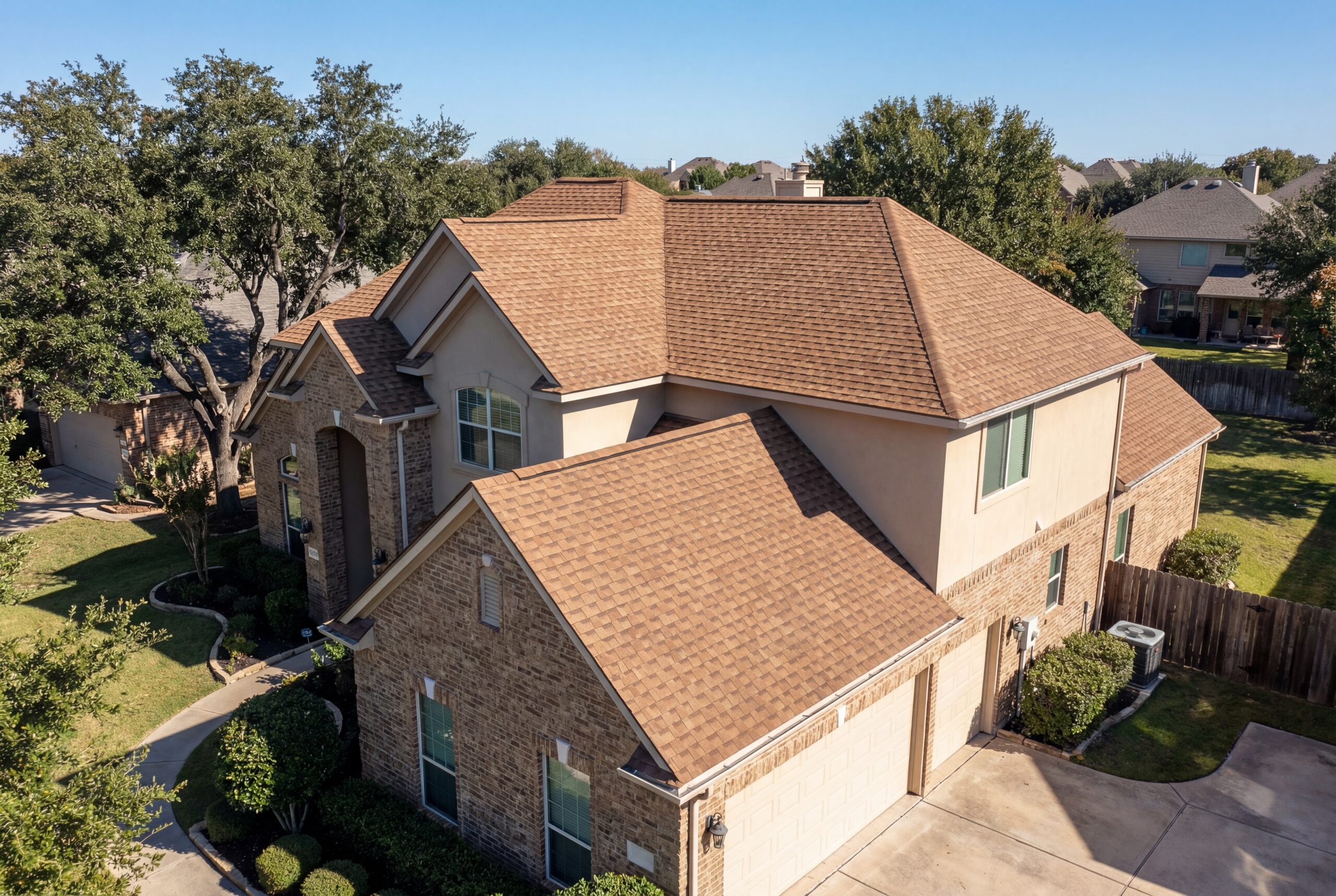
Asphalt shingles are overlapping panels installed row by row from the bottom of a roof to the peak. They shed water, protect the decking below, and provide the visible finish of the roof. Most carry Class A fire ratings and wind ratings from 60 to 150+ mph, depending on type.
About 75% of U.S. residential roofs use asphalt shingles [1]. They’ve dominated the market since the 1980s because they work at a price most homeowners can afford.
What They’re Made Of
Every asphalt shingle has five layers:
- Fiberglass mat: the structural backbone, providing tear resistance and dimensional stability
- Asphalt coating: the waterproofing layer embedded into both sides of the mat
- Mineral granules: protect the asphalt from UV degradation and give the shingle its color
- Fillers and stabilizers: add fire and weather resistance throughout the base
- Back surfacing: fine sand or similar material that prevents shingles from sticking together during manufacturing and storage
Why Asphalt Dominates the Market
- Costs significantly less than tile, slate, or metal, both in materials and installation labor
- Any roofing contractor can install them (no specialty trade required)
- Available in hundreds of colors and styles to match any home exterior
- Most carry a Class A fire rating, the highest level available
- Widely available from multiple manufacturers, keeping pricing competitive
Wondering how asphalt stacks up against other options? See how asphalt compares to metal roofing for a full breakdown.
The 3 Types of Asphalt Shingles Explained
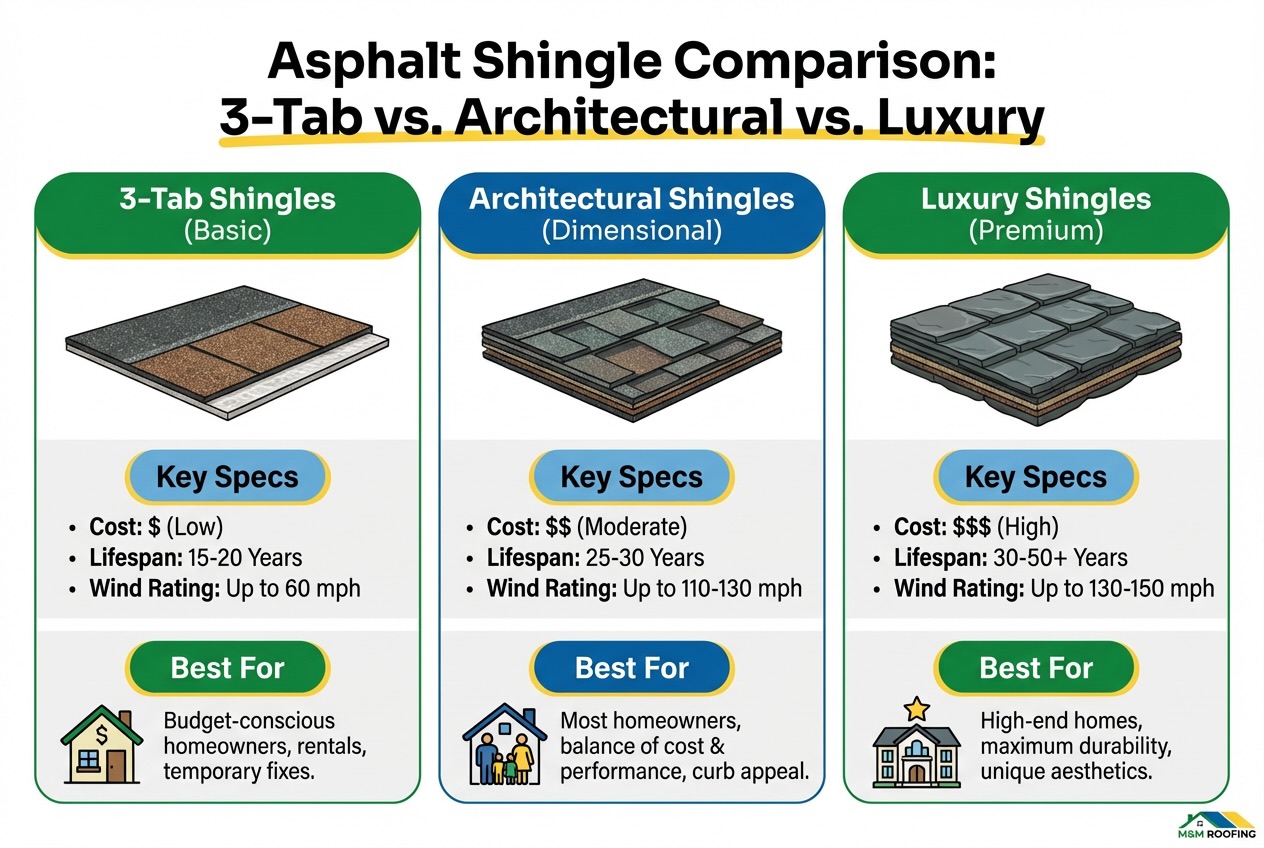
All asphalt shingles share the same basic composition. What separates the three types is construction, weight, and performance.
3-Tab Shingles (Strip Shingles)
3-tab shingles are a single layer of asphalt with three cutouts along the bottom edge. That cutout pattern creates the appearance of three separate shingles per strip, giving the roof a uniform, flat look.
They’re the lightest and least expensive asphalt option, which sounds good until you realize you’re buying a roof with a 15–20 year lifespan in a TX hail zone.
The tradeoffs are real. Single-layer construction means less mass to resist wind and impact. Most 3-tab shingles are rated to 60–70 mph winds. That’s well below what Gulf Coast homeowners face during hurricane season. They’re largely being phased out by major manufacturers as architectural shingles drop in price.
- Installed cost: $3.50–$5.50 per sq. ft.
- Lifespan: 15–20 years
- Wind rating: Up to 60–70 mph
- Best for: Tight budgets, rental properties, mild-weather climates
M&M’s take: 3-tab is not recommended for most TX or LA homeowners. It’s not available in Class 4 impact-resistant versions, and 60–70 mph wind ratings don’t hold up in Gulf Coast storm conditions.
Architectural (Dimensional) Shingles
Architectural shingles use two layers of asphalt fused together. The two-layer construction creates depth and shadow lines that flat 3-tab can’t match. That’s what makes architectural shingles look like slate or wood shake instead of a budget roof.
They’re the most popular shingle type in the U.S., accounting for roughly 70% of new residential installations.
The performance jump is substantial. Most architectural shingles are rated for 110–130 mph winds, making them a viable choice for Gulf Coast homeowners. Class 3 and Class 4 impact-resistant versions are widely available for TX hail zones.
- Installed cost: $5.50–$8.50 per sq. ft.
- Lifespan: 25–30 years
- Wind rating: Up to 110–130 mph
- Best for: Most TX and LA homeowners, with the best balance of cost, durability, and appearance
M&M’s take: Architectural shingles with Class 4 impact resistance and algae protection are the most common recommendation for TX/LA residential installs. The price premium over 3-tab is real, but so is the performance difference.
Luxury (Premium/Designer) Shingles
Luxury shingles take the multi-layer concept further. They’re the heaviest, thickest asphalt shingle available, and they’re designed to closely replicate the appearance of hand-cut slate or natural wood shake.
The visual impact is significant. Many HOAs require luxury-grade shingles for visual consistency in premium neighborhoods. And for homeowners who plan to stay long-term, the extended lifespan and Lifetime warranty justify the cost in a way they don’t for shorter ownership windows.
- Installed cost: $8.50–$12+ per sq. ft.
- Lifespan: 30–50 years
- Wind rating: 130+ mph
- Best for: High-value homes, HOA communities requiring premium aesthetics, homeowners planning to stay 20+ years
M&M’s take: Luxury shingles are worth the conversation for high-value homes and long-term owners. For mid-range homes with a 10–15 year ownership horizon, premium architectural shingles typically deliver better overall value.
Asphalt Shingle Comparison at a Glance
| Type | Also Known As | Installed Cost (per sq. ft.) | Lifespan | Wind Rating | Best For |
|---|---|---|---|---|---|
| 3-Tab | Strip shingles | $3.50–$5.50 | 15–20 yrs | Up to 60–70 mph | Tight budgets, mild climates |
| Architectural | Dimensional, laminate | $5.50–$8.50 | 25–30 yrs | Up to 110–130 mph | Most TX/LA homeowners |
| Luxury | Premium, designer | $8.50–$12+ | 30–50 yrs | 130+ mph | High-value homes, long-term owners |
Installed costs include labor and materials for a typical home in the TX/LA market. Final price depends on roof complexity, pitch, and tear-off of existing materials.
Not sure which type is right for your home? Get a free M&M expert recommendation with no pressure and no obligation.
How Much Do Asphalt Shingles Cost?
Every competitor avoids this question. Here are real 2025 numbers for the TX/LA market.
What You’ll Actually Pay: Total Project Cost
For a typical 1,500–2,500 sq. ft. single-story home in Texas or Louisiana, including tear-off of one existing layer:
| Shingle Type | Total Installed Cost |
|---|---|
| 3-Tab | $5,000–$9,000 |
| Architectural | $8,000–$18,000 |
| Luxury | $14,000–$25,000+ |
These are full replacement costs, not repair estimates. For a more detailed breakdown by city, see M&M’s TX roof replacement cost guide.
What Drives the Final Price Up or Down
Six factors move the number significantly:
- Roof size: the single biggest driver. Roofing is priced per “square” (100 sq. ft. of roof surface). More squares mean higher cost.
- Roof pitch and complexity: steep roofs, multiple valleys, dormers, and skylights all require more labor hours and safety equipment.
- Number of layers being removed: tearing off one existing layer is standard. A second layer adds $500–$1,500 to the project.
- Decking condition: rotted or damaged sheathing discovered during tear-off adds repair costs. A responsible contractor will photo-document every damaged board before replacing it.
- Shingle brand and grade: a GAF Timberline HDZ costs more than a basic entry-level architectural shingle. Both are architectural class; performance and warranty differ.
- Local labor market: Houston pricing differs from smaller TX cities. Labor costs track with the local cost of living.
Is a More Expensive Shingle Worth It?
Run the math on the cost per year.
An $8,000 architectural roof lasting 30 years costs $267 per year. A $6,000 3-tab roof lasting 18 years costs $333 per year. And it requires a full replacement 12 years earlier.
Architectural shingles often deliver better long-term value despite the higher upfront cost.
There’s one more factor specific to Texas homeowners: insurance discounts. Most TX insurance carriers offer premium reductions of 20–30% for Class 4 impact-resistant shingles [2]. On a $3,000/year homeowners policy, that’s $600–$900 in annual savings. The upgrade cost can pay for itself in 3–5 years.
Ready to get an accurate number for your home? Request your free M&M estimate.
How Long Do Asphalt Shingles Last?
The short answer: 15–20 years for 3-tab, 25–30 years for architectural, 30–50 years for luxury, under normal conditions.
Those numbers assume quality installation and adequate attic ventilation. In TX and LA, both of those caveats matter more than in most parts of the country.
Expected Lifespan by Shingle Type
| Shingle Type | Expected Lifespan | Typical Warranty |
|---|---|---|
| 3-Tab | 15–20 years | 20–25 years |
| Architectural | 25–30 years | 30 years to Lifetime |
| Luxury | 30–50 years | Lifetime |
Here’s what actually matters about warranties. A “Lifetime” warranty covers manufacturer defects in the shingle material. It doesn’t cover normal wear, storm damage, or the roofer’s mistakes. M&M’s lifetime labor warranty covers the installation itself. That’s a separate protection most contractors don’t offer.
What Shortens Your Roof’s Lifespan in TX/LA
- Poor attic ventilation. This kills roofs faster than almost anything else, and most homeowners never check it. In a Texas summer, an unventilated attic hits 160°F+. That heat cooks the asphalt from below, drying out the oils that keep shingles flexible. It can shorten lifespan by 20–30% regardless of shingle quality. Proper attic ventilation is as important to shingle longevity as the shingle itself.
- UV degradation. Austin and San Antonio average 300+ sunny days per year. Intense UV fades granules and dries out asphalt faster than in northern climates. A shingle rated for 30 years in Ohio may deliver 22–25 years in Central Texas.
- Hail damage. Even “minor” hail from a Class 1 or Class 2 storm dents granules and cracks the asphalt surface. Those micro-cracks don’t always leak immediately, but they accelerate granule loss and expose the waterproofing layer to UV. Understanding hail damage can help you catch it before it becomes a full replacement.
- Hurricane and high-wind uplift. Wind speeds during Gulf Coast storms can crack shingles and lift improperly installed tabs. A 4-nail installation pattern that meets minimum code may not hold in a direct-track hurricane. M&M uses a 6-nail pattern on all Gulf Coast installs.
- Algae and moss growth. Gulf Coast humidity creates ideal conditions for algae colonization. The dark streaking you see on older Houston-area roofs is algae, not dirt. Left untreated, algae and moss root into the granule surface and cause premature shingle failure. Good shingle maintenance practices can extend life significantly.
Signs Your Asphalt Shingles Are Failing
If you see any of these, it’s time for a professional assessment:
- Curling or cupping shingles: edges turning up (cupping) or the middle buckling upward (clawing). Both indicate the shingle is losing flexibility.
- Granule loss: bare patches visible on the surface, or granules collecting in the gutters after rain. Granule loss accelerates fast once it starts.
- Cracking or brittleness: shingles that crack along the edges or at the nail line, often from thermal shock.
- Algae or dark streaking: especially on north-facing or shaded slopes. A surface problem today, a structural one if ignored.
- Flashing separation: rust, gaps, or lifting at the chimney, pipe penetrations, or roof valleys.
- Interior ceiling stains: water has already made it past the shingle surface and into the structure.
Seeing any of these? Schedule your free M&M roof inspection. Same-day appointments available before noon.
Impact, Wind, Fire & Algae Ratings: What the Labels Actually Mean
Shingle spec sheets list a series of ratings that most homeowners have never seen before. Here’s what they mean in plain English.
Impact Resistance: UL 2218 Class 1–4
The UL 2218 test drops a 2-inch steel ball from heights of 12 to 20 feet onto a shingle sample. Class 4 is the highest rating. The ball drops from 20 feet, and the shingle must show no cracking or splits [2].
In practical terms: Class 4 shingles are significantly more resistant to hail damage than standard shingles. In Texas, where hail is among the top causes of residential roof damage, most major insurance carriers offer premium discounts of 20–30% for Class 4 installations.
M&M strongly recommends Class 4 impact-resistant architectural shingles for all TX homeowners, especially in Austin, San Antonio, and the North Houston/Katy corridor, which sits in one of the most active hail corridors in the country.
Wind Resistance: ASTM D7158 Class H
ASTM D7158 Class H is the highest wind resistance rating for asphalt shingles, tested to 150 mph wind exposure. ASTM D3161 Class F is also common, rated to 110 mph.
Most architectural and luxury shingles carry Class H or equivalent. For Gulf Coast homeowners in Lake Charles, Lafayette, Beaumont, and the Houston metro, Class H is the minimum to specify. Not an upgrade.
Fire Resistance: Class A, B, C
Class A is the highest fire rating, designed to withstand severe fire exposure from outside the building. Most asphalt shingles carry a Class A rating because the fiberglass mat and mineral stabilizers are inherently fire-resistant.
Class A status can affect homeowners’ insurance premiums and is increasingly relevant in Central Texas areas where wildfire risk has grown in recent years.
Algae Resistance: AR Shingles
Algae-resistant shingles use copper-infused granules to block the growth of algae. That’s the dark streaking you see on Gulf Coast roofs after a few years. The copper doesn’t harm the shingle; it makes the surface inhospitable to algae growth.
AR shingles are M&M’s standard specification for all Houston, Beaumont, Lake Charles, and Lafayette projects. Without them, that staining is visible within 3–5 years. With them, it doesn’t happen.
Choosing the Right Asphalt Shingle for Texas & Louisiana Homes
Every manufacturer page on asphalt shingles is written for a national audience. This section is written specifically for TX and LA homeowners.
The TX Hail Corridor: Why Impact Resistance Matters Here
Texas ranks among the top five most hail-active states in the U.S. The I-35 corridor from Dallas through Austin and San Antonio sees more hail than almost anywhere in North America. Harris County (Houston) averages 3–5 significant hail events per year.
After 40+ years installing roofs across Texas, the M&M recommendation never changes: Class 4 impact-resistant architectural shingles for most TX residential installs. The insurance savings in hail-active areas often pay for the upgrade within 3–5 years. If you’ve had a hail claim in the past five years, your insurer may already be expecting it.
For homeowners in Austin and San Antonio, Class 4 isn’t an upgrade consideration. It’s the baseline.
Gulf Coast Humidity & Algae: Protecting Your Investment
Houston, Beaumont, Lake Charles, and Lafayette each receive 50–65 inches of rainfall annually. Summer relative humidity stays above 70% for months at a time. That environment is ideal for algae growth on any standard shingle surface.
AR shingles are M&M’s standard spec on all Gulf Coast projects. Without them, the dark staining that affects curb appeal and home value can appear within 3–5 years of installation.
Humidity also affects what’s happening below the shingle. Trapped moisture in a poorly ventilated attic degrades both the shingles and the decking from below. Proper attic ventilation is as important as shingle selection for Gulf Coast homes.
Extreme Heat & UV: Austin and San Antonio Specifics
Austin and San Antonio average 300+ sunny days per year with summer temperatures regularly exceeding 100°F. Thermal cycling stresses asphalt and dries out the oils that keep shingles flexible. Days over 100°F followed by rapid overnight cool-downs happen constantly in Central Texas.
Cool roof or solar-reflective shingles (CRRC-certified) reduce attic temperatures by 10–15°F. In Austin or San Antonio, that cuts A/C costs noticeably over summer months. M&M recommends cool roof shingles for south-facing and west-facing sections on Central Texas homes. For more on this topic, see the energy-efficient roofing systems guide.
How to Choose: 3-Tab vs. Architectural vs. Luxury — A Simple Decision Framework
Five questions. Answer them honestly and the right shingle becomes clear.
- What’s your budget? Under $8,000 total project budget: 3-tab may be the only realistic option. $8,000–$18,000: architectural is the sweet spot. $18,000+: luxury shingles are worth evaluating, especially for high-value homes.
- How long do you plan to stay in the home? Under 10 years: 3-tab or entry-level architectural keeps upfront costs low. 10–20 years: standard architectural with Class 4 impact resistance balances cost and durability. 20+ years: premium architectural or luxury pays for itself. Long-term ownership changes the cost-per-year math significantly.
- Do you live in a TX hail zone? Austin, San Antonio, North Houston, and Katy sit in one of the most active hail corridors in the country. For those areas, Class 4 impact-resistant architectural shingles are the baseline recommendation regardless of budget. The insurance savings often make the upgrade cost-neutral within a few years.
- Does your HOA have appearance requirements? Some HOAs specify shingle grade or minimum profile standards. Confirm before finalizing a material selection. Installing standard 3-tab in a neighborhood that requires architectural shingles is a problem that shows up at resale.
- Are you planning to sell within 5 years? Architectural shingles photograph better and carry more weight in home appraisals than 3-tab. Luxury shingles may not fully recoup their premium in mid-range neighborhoods. For a home you’re preparing to sell, architectural is usually the right call.
Still not sure? M&M’s free consultation includes a material recommendation based on your specific home, neighborhood, and budget, with no pressure to buy. Schedule your free expert consultation today.
Frequently Asked Questions
Can you put new asphalt shingles over old ones?
Yes, with caveats. Most building codes allow one layer of overlay, meaning new shingles installed directly over existing ones. A second overlay layer is not permitted in most TX and LA jurisdictions. Overlaying saves $500–$1,500 in tear-off labor upfront. What you’re actually doing: hiding water damage and rot that may already be eating the decking. That’s a problem that costs significantly more to fix once it progresses. M&M recommends full tear-off in most cases. It lets the crew inspect the decking, repair any rot, and ensure a flat, sound installation surface.
How many squares of shingles do I need?
A “square” is 100 square feet of roof surface, not floor area. A 2,000 sq. ft. home typically needs 20–25 squares of shingles, depending on roof pitch. Add 10–15% for cuts and waste. Rough formula: measure the footprint of your home, multiply by a pitch factor (1.0 for low-pitch, 1.15 for moderate, 1.3+ for steep), divide by 100.
What’s the most popular asphalt shingle color in Texas?
Weathered wood, charcoal grey, and tan/beige tones dominate TX installs. They complement the brick and stucco exteriors common in TX suburban neighborhoods and hold up well visually as the shingle weathers over time. Lighter tones also reflect more solar heat, which matters in Austin and San Antonio. Color trends shift by neighborhood and HOA requirements. Your contractor should be able to show you what’s common nearby.
Do asphalt shingles increase home value?
A new roof typically returns 60–65% of its cost at resale. More importantly, it removes the one objection that kills negotiations. Buyers use an old roof to slash thousands off an offer. A new architectural shingle roof removes that leverage and photographs better in listings. For homes being prepared for sale, roof replacement can be one of the highest-ROI projects available.
How do I know when to repair vs. replace my asphalt shingles?
General guidance: if repairs will cost more than 50% of a full replacement, replace. If your roof is under 15 years old with isolated, contained damage, repair is worth exploring. If it’s over 20 years old with widespread granule loss, multiple leak points, or curling shingles, replacement is usually the better long-term investment. For more on that decision, see the repair vs. replace guide.
Are asphalt shingles good in hot climates like Texas?
Yes, with the right product selection. Standard architectural shingles hold up well in TX heat when the attic is properly ventilated. For maximum performance in Central Texas, choose cool-roof or solar-reflective shingles, confirm adequate attic ventilation before installation, and specify Class 4 impact resistance for hail protection. M&M has installed roofs across TX and LA for 40+ years in conditions ranging from Gulf Coast hurricanes to Austin’s intense thermal cycling. The product choices that work in those conditions are well-established.
Your Roof Is a Long-Term Decision. Treat It Like One.
Asphalt shingles aren’t a commodity. The right choice depends on your climate, your budget, how long you’ll own the home, and what your neighbors’ roofs look like.
For most TX and LA homeowners, the answer lands in the same place: architectural shingles with Class 4 impact resistance and algae protection. That combination delivers the best long-term value across the widest range of conditions in the M&M service area.
But “most homeowners” isn’t you. The only way to know what’s right for your specific home is a professional eye on your roof, your decking, your attic, and your neighborhood.
M&M has been making that call since 1983. 100,000+ roofs installed. Lifetime labor warranty on every job. When yours is done, Doug calls to make sure it’s right.
Schedule your free roof consultation today. Same-day appointments available before noon.
References
[1] Asphalt Roofing Manufacturers Association (ARMA). “About Asphalt Roofing.” https://www.asphaltroofing.org/
[2] Underwriters Laboratories. “UL 2218 Standard for Impact Resistance of Prepared Roof Covering Materials.” https://www.ul.com/
[3] Insurance Institute for Business and Home Safety (IBHS). “Impact-Resistant Roofing.” https://ibhs.org/