





Beaumont roofs take more punishment than most in Texas. Between hurricane-force winds, heavy Gulf Coast rainfall, and relentless humidity, the average roof in Southeast Texas ages faster than in drier climates. This guide covers the key signs it’s time to replace your roof in Beaumont, the best materials for the local climate, and what you can expect to pay.
Your roof has a tough job in Beaumont. It faces a combination of threats that most Texas homeowners never deal with: hurricane-season winds, standing water from tropical rains, and the kind of daily humidity that softens wood and feeds algae year-round.
When something goes wrong, the question is always the same. Do you repair it or replace it? The answer depends on your roof’s age, the extent of the damage, and the materials it’s made from.
Here’s how to know the difference.
How Does Beaumont’s Climate Shorten Your Roof’s Lifespan?
The Gulf Coast isn’t just hot. It’s relentlessly humid.
That moisture creates perfect conditions for algae growth, wood rot, and shingle degradation. The cycle of soaking rains followed by intense summer heat causes shingles to expand, contract, and crack faster than in drier climates.
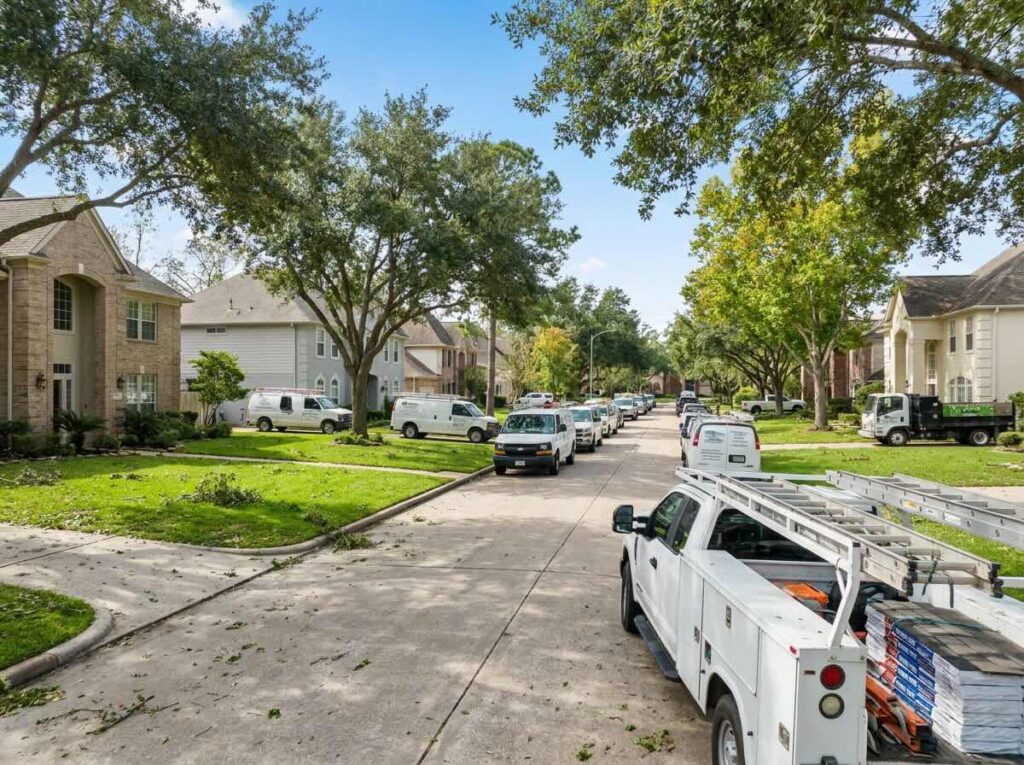
Then there’s storm season. Beaumont sits in a high-risk zone for hurricanes and tropical storms. Sustained winds of 75 to 100 mph or more can strip shingles in minutes. Even Category 1 storms push 60 to 80 mph gusts through Port Arthur, Nederland, and Groves. After Hurricane Harvey in 2017, Southeast Texas homeowners filed tens of thousands of roofing insurance claims, making it one of the most significant roofing events in state history. [1]
The result: a standard asphalt shingle roof in Beaumont typically lasts 15 to 20 years. In drier parts of Texas, the same shingles can last 25 to 30 years. [2]
Climate doesn’t ruin every roof. But it demands better materials and better installation than most parts of the country.
What Are the Signs You Only Need Roof Repairs?
Not every problem requires a full replacement. Repairs make sense in these situations.
Your roof is under 10 to 15 years old. Young roofs with isolated damage can usually be patched. A few missing shingles or a small leak around flashing doesn’t mean you need a new roof.
The damage is localized. If wind or hail hit one section of your roof, a targeted repair may be enough. The keyword is isolated. Damage spread across multiple slopes is a different conversation.
Your decking is solid. The decking is the wood underneath your shingles. If it’s dry and structurally sound, you may be able to address surface issues without tearing everything off.
Flashing is the culprit. Leaks around chimneys, vents, or skylights are often flashing problems, not shingle problems. Replacing or resealing flashing is a straightforward fix.
If you’re not sure which category you fall into, start with a free roof inspection. It’s the fastest way to know exactly what you’re working with before spending a dollar on anything.
When Is It Time for a Full Roof Replacement in Beaumont?
Some signs point clearly to replacement. Here’s what we look for during a Beaumont inspection.
Age beyond 20 years. If your asphalt shingle roof is approaching or past 20 years old, repairs become a temporary solution. You’re patching a system that’s running out of life.
Widespread shingle damage. Curling, cracking, or missing shingles across large sections of your roof mean the material has reached the end of its cycle. Heavy granule loss in your gutters is another sign. Granules protect shingles from UV damage. When they wash away, the shingles degrade fast.
Active leaks with interior water damage. Water stains on ceilings or walls mean moisture has penetrated your roofing system. Left untreated, this leads to mold, structural rot, and compromised insulation. The longer it sits, the more expensive it becomes.
A sagging roof deck. Visible sagging between rafters is a structural warning. It typically means the decking has been compromised by long-term moisture. This is a replacement situation, not a repair one.
Persistent mold and algae. Beaumont’s humidity makes roofs a breeding ground for biological growth. Occasional cleaning is normal. But if mold or algae returns within a few months of treatment, you likely have underlying moisture damage that surface cleaning won’t fix.
Storm damage beyond repair. After a major hurricane or hailstorm, the damage can be too widespread to patch economically. If more than 30% of your roof surface is affected, replacement is almost always the better financial decision. We can help you navigate the insurance claim process and document the damage properly before an adjuster visits.
Climbing energy bills. An aging roof loses its insulating properties. If your cooling costs have risen without an obvious explanation, your roof may be letting heat pour in. In Beaumont’s summer heat, a failing roof makes an already expensive cooling season worse.
What Roofing Materials Hold Up Best in Southeast Texas Hurricane Season?
This is the most important decision Beaumont homeowners make during a roof replacement. Not all materials handle Gulf Coast conditions the same way.
| Roofing Material | Lifespan in Beaumont | Wind Rating | Hurricane Performance | Est. Cost (1,800 sq ft) |
|---|---|---|---|---|
| Standard 3-Tab Asphalt | 12-18 years | 60 mph | Poor | $7,000-$11,000 |
| Architectural/Dimensional Asphalt | 15-22 years | 110-130 mph | Moderate | $9,000-$14,000 |
| Impact-Resistant Asphalt (Class 4) | 20-25 years | 130+ mph | Good | $12,000-$18,000 |
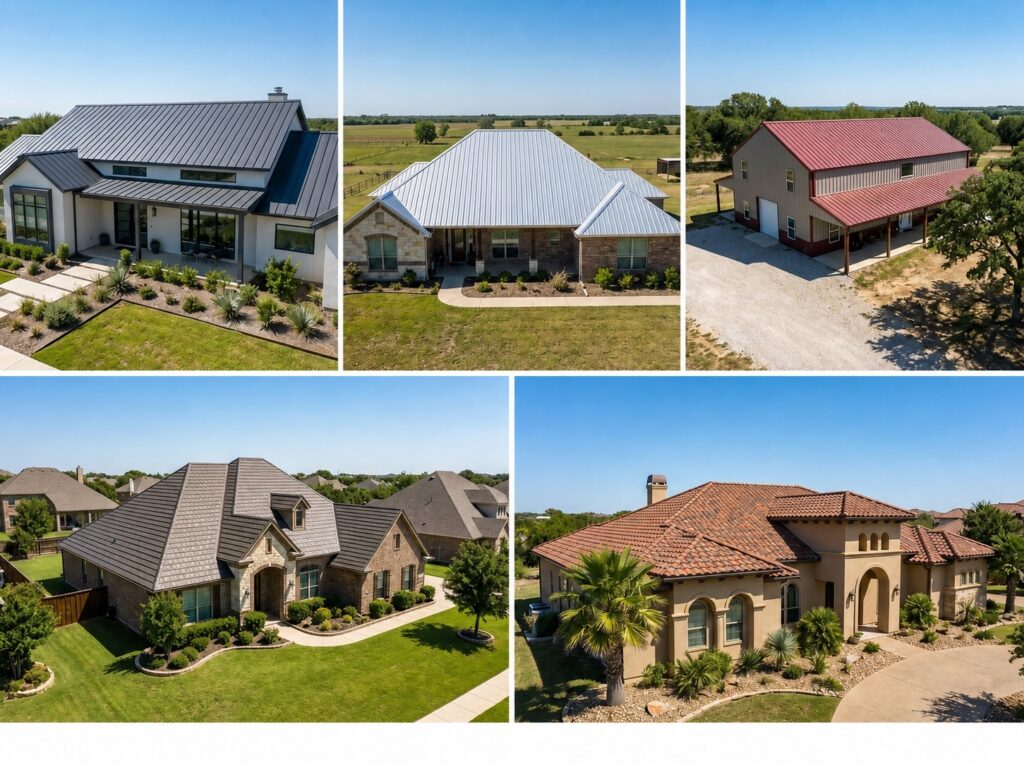
| Standing Seam Metal | 40-60 years | 140+ mph | Excellent | $18,000-$30,000 |
Impact-resistant asphalt shingles are the most popular choice in Beaumont right now. Products like GAF Timberline HDZ and CertainTeed Landmark Pro carry a Class 4 impact rating, the highest available for asphalt. Texas homeowners who install Class 4 shingles often qualify for insurance premium discounts ranging from 15 to 30%. [3] That discount can meaningfully offset the upgrade cost over time.
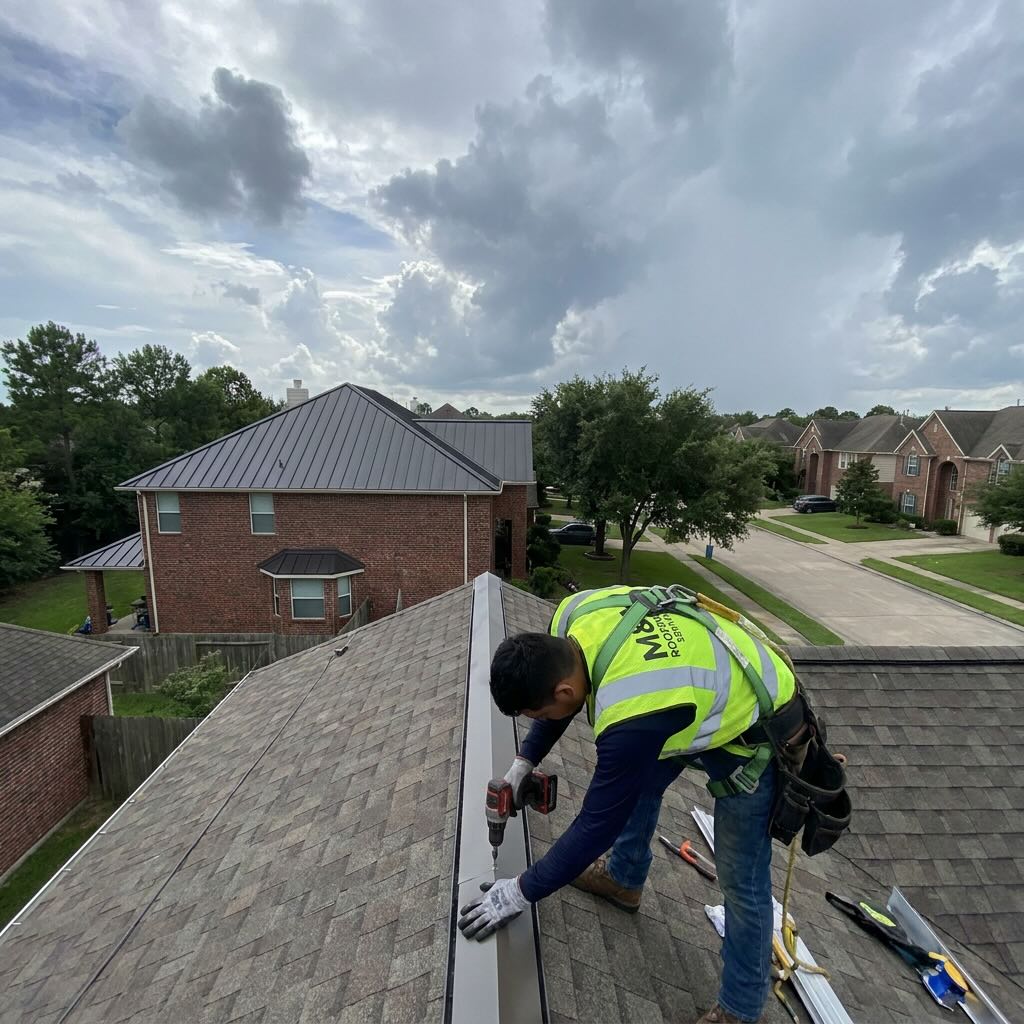
Standing seam metal roofing is the top performer for hurricane resistance. Metal roofs have no granule loss, handle sustained winds above 140 mph, and outlast asphalt by decades in coastal conditions. The upfront investment is higher, but the lifetime value in Southeast Texas is hard to match. We break down the full comparison in our guide to metal vs. asphalt shingles.
How Much Does Roof Replacement Cost in Beaumont?
Beaumont roof replacement costs are in line with Southeast Texas averages. Your final number depends on square footage, material choice, and roof complexity.
Typical ranges for a full replacement:
- Architectural asphalt shingles: $9,000 to $15,000 for a 1,800 to 2,200 sq ft home
- Impact-resistant asphalt (Class 4): $13,000 to $19,000
- Standing seam metal: $20,000 to $35,000
These ranges include the tear-off of your existing roof, decking repairs if needed, new underlayment, and full installation.
One thing that shifts the math significantly is insurance. If your roof was damaged by wind, hail, or a named storm, there’s a strong chance your homeowner’s policy covers part or all of the replacement. We handle storm damage assessments and insurance documentation for Beaumont homeowners every week. We know what adjusters look for and how to make sure the damage gets properly recorded.
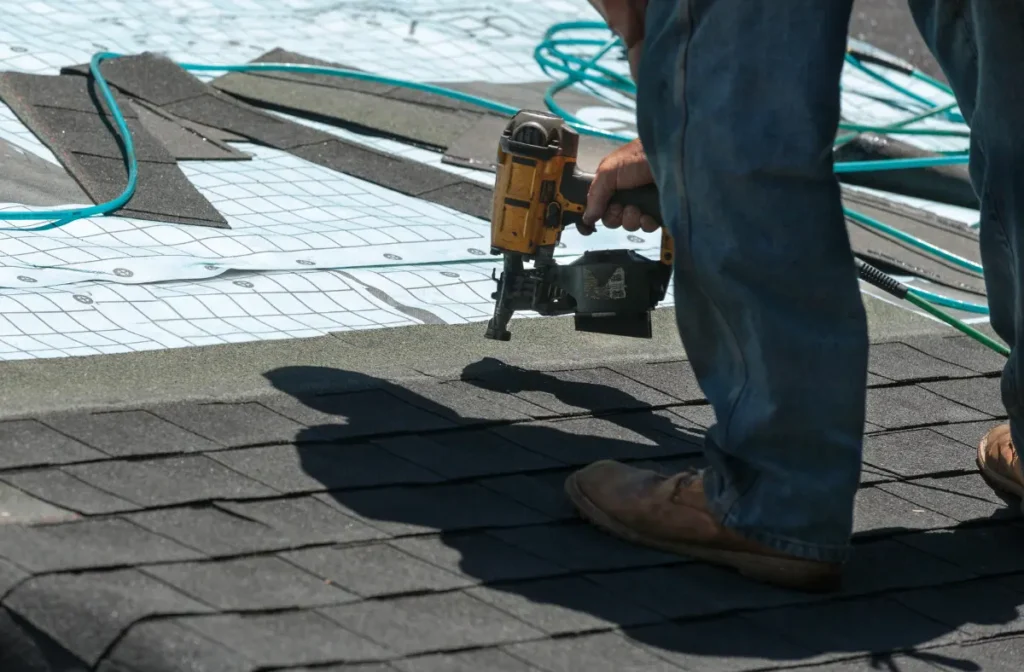
Should You Repair or Replace? A Simple Framework
When homeowners call us after a storm or inspection, this is the question they’re wrestling with most. Here’s how we think through it.
Lean toward repair when:
- The roof is under 15 years old
- Damage covers less than 25% of the surface
- The decking is intact
- The repair cost is under 40% of full replacement
Lean toward replacement when:
- The roof is 20 years old or older
- Multiple repairs have been needed in the past two to three years
- Damage affects multiple slopes or large surface areas
- Insurance will cover a significant portion of replacement
Pay attention to the frequency of repairs. Each one adds up. At some point, a new roof becomes the more cost-effective decision, even if it feels like the bigger upfront number.
Why Work with a Local Beaumont Roofing Company?
Storm chasers show up in Beaumont after every major weather event. They offer fast quotes, take a deposit, and move on before the work holds up.
A local company operates differently. Their reputation depends on every job they do. They’re not leaving town.
We’ve served Southeast Texas for over 40 years. Our Beaumont roofing company team knows Jefferson County permit requirements, local wind-load standards, and the material performance data that matters specifically for this region. We also know how to document storm damage in a way that strengthens your insurance claim from the start.
We serve Beaumont, Nederland, Port Arthur, Groves, Vidor, and the surrounding Southeast Texas communities.
Frequently Asked Questions About Roof Replacement in Beaumont
How long does a roof last in Beaumont, Texas?
In Beaumont’s Gulf Coast climate, standard asphalt shingles typically last 15 to 20 years. Impact-resistant shingles can last 20 to 25 years. Metal roofs last 40 to 60 years or more. High humidity, hurricane winds, and intense UV exposure all shorten lifespan compared to drier Texas climates.
Does homeowner’s insurance cover roof replacement in Beaumont?
Most standard homeowner’s policies cover storm damage from wind, hail, and hurricanes. Coverage depends on the cause of damage, your policy terms, and whether the failure is classified as sudden storm damage or gradual wear. A professional inspection with documented photos gives you the strongest starting point for a claim.
What is the best roofing material for hurricane conditions in Southeast Texas?
Impact-resistant asphalt shingles (Class 4) and standing seam metal roofing perform best in hurricane conditions. Both carry wind ratings well above the 110 mph threshold. Metal roofing offers the longest lifespan and greatest wind resistance. Class 4 asphalt is a cost-effective option for homeowners who want hurricane protection without the metal roofing price point.
How much does roof replacement cost in Beaumont?
A typical replacement in Beaumont runs $9,000 to $15,000 for architectural asphalt shingles on an average-sized home. Impact-resistant shingles cost $13,000 to $19,000. Metal roofing ranges from $20,000 to $35,000. Insurance coverage and available financing can significantly reduce out-of-pocket cost.
How do I know if my roof damage is covered by insurance?
Document the damage immediately after a storm with clear photos. Contact your insurance company to open a claim. Then schedule a professional inspection before the adjuster arrives. The inspection report gives you an independent record of what the storm caused versus pre-existing wear. We provide free inspections specifically designed to support insurance claims.
How long does a roof replacement take in Beaumont?
Most residential replacements in Beaumont take one to three days. Larger homes or complex roof designs may take longer. We communicate any weather delays as soon as they arise and keep you updated throughout the job.
What are the warning signs of storm damage on my Beaumont roof?
After a major storm, look for missing or lifted shingles, heavy granule deposits in gutters and downspouts, dents in metal flashing or gutters, water stains on interior ceilings, and visible impact marks from hail or debris. Much of the real damage isn’t visible from the ground. A professional inspection is the only reliable way to assess what a storm left behind.
Schedule Your Free Beaumont Roof Inspection
If you’re not sure whether your roof needs repair or replacement, don’t guess. A free inspection gives you the facts before you spend anything.
We’ll assess your entire roof, document any damage, and walk you through your options clearly. No pressure. No vague estimates. Just an honest picture of what your roof needs and what it will cost.
We’ve handled thousands of roofing jobs across Beaumont, Nederland, Port Arthur, Groves, and Vidor. We know what Southeast Texas weather does to roofs, and we know how to fix it.
Schedule your free Beaumont roof inspection today.
References
[1] Insurance Institute for Business & Home Safety — Hurricane Harvey Research
[2] National Roofing Contractors Association — Roofing Materials Overview
[3] Texas Department of Insurance — Windstorm Insurance Discounts
M&M Roofing, Siding & Windows has served homeowners across Texas and Louisiana for more than 40 years. Backed by over 100,000 completed home improvement projects, M&M offers expert insight on roofing, siding, windows, gutters, storm damage, and exterior restoration, helping homeowners make confident, informed decisions about their property.