





San Antonio roofs take a beating. Between hailstorms that roll in off the Hill Country, summer temperatures that push shingle surfaces past 140°F, and UV radiation that degrades asphalt faster than almost any other Texas market, most San Antonio homeowners will need at least one full roof replacement during their time in their home. This guide covers when to replace, what it costs, which materials perform best in Bexar County, and how to choose a contractor you can actually trust.
You’ve probably looked up at your roof after a storm and thought, “Is that damage? Or just normal wear?” Most San Antonio homeowners ask that question at least once. And most of them wait too long to get an answer.
Here’s what 40+ years of roofing experience across Texas teaches you: the damage that costs the least to fix is always the damage you find early. A few missing shingles after a spring hailstorm become a slow leak. A slow leak becomes rotted decking. Rotted decking becomes a complete tear-off, costing three times as much as a timely replacement would.
M&M Roofing has completed over 100,000 projects across Texas and Louisiana since 1983. A significant share of those projects is in San Antonio and Bexar County, including neighborhoods like Alamo Heights, Stone Oak, Helotes, and Schertz. What follows is what four decades in this market have taught us about helping San Antonio homeowners make smart, well-timed decisions about their roofs.
How Long Does a Roof Last in San Antonio?
The national average for an asphalt shingle roof is 20 to 30 years. In San Antonio, the real number is closer to 15-25 years.
That gap exists for one reason: San Antonio’s climate is hard on roofing materials. The combination of extreme heat, intense UV radiation, sudden temperature swings, and periodic hailstorms compresses a roof’s useful life faster than it would in a milder climate.
Here’s a general breakdown by material:
| Roofing Material | National Avg. Lifespan | San Antonio Realistic Lifespan | Notes |
|---|---|---|---|
| 3-Tab Asphalt Shingles | 15-20 years | 12-18 years | Lowest cost, most heat-sensitive |
| Architectural Shingles | 25-30 years | 18-25 years | Best value for most SA homeowners |
| Impact-Resistant Shingles | 25-30 years | 20-27 years | Rated for hail; may lower insurance premiums |
| Metal Roofing | 40-70 years | 40-70 years | Heat-resistant; excellent UV performance |
| Clay/Concrete Tile | 50-100 years | 50-100 years | Dominant in SA due to regional style and durability |
If your roof is within five years of the end of its expected lifespan, it’s worth scheduling an inspection before a storm makes the decision for you.
What Are the Warning Signs You Need a New Roof?
Some roof damage is obvious. Most isn’t.
The signs that show up first are usually subtle: a little extra granule buildup in the gutters, a shingle edge that’s curling slightly, a flashing point that looks a little off from the driveway. By the time you see a water stain on your ceiling, the damage underneath has been building for months.
Watch for these warning signs:
Granule loss. Asphalt shingles are coated with granules that block UV damage. When those granules wash into your gutters in large quantities, the protective layer is failing. Granule loss accelerates quickly once it starts.
Curling or cupping shingles. Shingles that curl upward at the edges (cupping) or buckle downward in the center (clawing) are losing structural integrity. In San Antonio’s heat cycles, this process moves faster than most homeowners expect.
Missing shingles. Even one or two missing shingles after a storm is worth a professional inspection. The exposed decking beneath degrades fast in Texas weather.
Daylight in the attic. If you can see light through your roof boards, water can get in, too. Check your attic after a heavy rain for any signs of moisture.
Sagging sections. Any section of your roof that dips or sags points to structural damage, usually from prolonged moisture exposure. That’s a replacement situation, not a repair situation.
Circular bruising on shingles. After a hailstorm, look for round spots or bruises where granules have been knocked loose. This is one of the most common and most underdiagnosed forms of storm damage in San Antonio. It’s often invisible from the ground but highly visible to a trained inspector on the roof.
According to the National Roofing Contractors Association, biannual inspections can catch cracked, warped, or missing shingles, deteriorated flashings, and granule accumulation before they become major problems [1]. Most San Antonio homeowners should schedule at least one inspection per year, ideally before storm season begins in the spring.
How Does San Antonio’s Climate Damage Your Roof?
San Antonio sits at the edge of the Texas Hill Country, and its climate creates a specific combination of stressors that wear out roofing materials faster than many homeowners realize.
Extreme heat. San Antonio summers regularly push ambient temperatures above 100°F. Roof surface temperatures can exceed 148°F on a 98°F day [2]. At those temperatures, asphalt shingles expand, contract, and gradually lose their flexibility. Over time, they crack and fail earlier than the manufacturer’s warranty would suggest.
UV radiation. June through August in San Antonio produces peak UV index readings of 7 or higher. UV radiation degrades the petroleum-based binders in asphalt shingles, accelerating granule loss and shortening effective roof life.
Hailstorms. San Antonio sits in one of the most active hail corridors in the United States. The Bexar County area receives multiple significant hailstorms per year, often in spring and early summer. Even hail that doesn’t visibly crack shingles can knock loose granules and create micro-fractures that worsen over months of heat exposure.
Thermal cycling. San Antonio temperatures can swing 40 to 50 degrees in a single day during fall and spring. This daily expansion and contraction stresses roofing materials at every seam, fastener, and flashing point.
Humidity fluctuations. The Hill Country brings humidity that cycles significantly with passing storms and fronts. That moisture, combined with heat, creates conditions that accelerate the aging of underlayment and wood decking beneath the shingles.
The practical result: a roof installed to a national specification will underperform in San Antonio. Materials and installation practices need to account for this specific climate combination.
What Does Roof Replacement Cost in San Antonio?
Roof replacement in San Antonio typically ranges from $8,000 to $25,000 for a residential home, depending on roof size, chosen materials, and the scope of any underlying repairs.
Here’s a more specific breakdown for common scenarios:
| Home Size / Scenario | Material | Estimated Cost Range |
|---|---|---|
| 1,700-2,000 sq ft home | 3-Tab Asphalt | $5,200 – $8,500 |
| 1,700-2,000 sq ft home | Architectural Shingles | $8,000 – $13,000 |
| 2,000-2,500 sq ft home | Architectural Shingles | $13,000 – $18,000 |
| 2,000-2,500 sq ft home | Impact-Resistant Shingles | $15,500 – $22,000 |
| 2,000-2,500 sq ft home | Metal Roofing | $18,000 – $35,000+ |
| Any size (storm damage) | Insurance covers most costs | $0 – $3,000 out-of-pocket typical deductible |
Prices reflect current San Antonio market rates (2026). Costs vary based on roof pitch, accessibility, and decking condition. Always request a written estimate before work begins.
A few factors that significantly affect your final cost:
Roof pitch and complexity. A steep or complex roofline with multiple valleys, dormers, or skylights costs more to replace than a simple low-pitch or flat roof. More labor, more material waste, and more risk for the crew.
Decking condition. If your roof decking (the plywood or OSB beneath the shingles) has moisture damage, it needs to be replaced before new shingles go on. This can add $500 to $3,000, depending on the extent of the damage.
Old roof layers. Texas building code allows up to two layers of shingles on most residential roofs. If your home already has two layers, a full tear-off is required, which adds labor cost.
Material upgrades. Impact-resistant shingles cost more upfront but can reduce your homeowner’s insurance premiums by 20 to 30 percent in some cases. In hail-prone areas like Stone Oak and Alamo Heights, that premium reduction can offset a significant portion of the cost difference over time.
M&M Roofing offers free roof inspections in San Antonio, including a detailed written estimate before any commitment. For homeowners dealing with storm damage, M&M’s team can also help document the damage and navigate the insurance claims process.
Which Roofing Materials Work Best in San Antonio?
San Antonio homeowners have more roofing options than most markets in Texas, partly because of the regional architectural tradition of tile roofing, and partly because the climate demands materials that perform under specific conditions.
Here’s how the most common options compare:
Architectural (Dimensional) Shingles
This is the right choice for most San Antonio homeowners. Architectural shingles are thicker and more durable than 3-tab shingles, carry longer manufacturer warranties (typically 30 years), and perform better under the thermal cycling San Antonio produces. They’re available from GAF, Owens Corning, and CertainTeed in styles that complement the Hill Country aesthetic. Cost: $8,000 to $18,000 for a typical San Antonio home.
Impact-Resistant Shingles
If your neighborhood has seen repeated hail events, impact-resistant shingles deserve serious consideration. Class 4 impact-resistant shingles are designed to withstand 2-inch hailstones and can qualify you for insurance discounts from many Texas carriers. According to the Insurance Institute for Business and Home Safety, impact-resistant shingles can reduce hail damage claims significantly in high-risk markets [3]. Neighborhoods like Stone Oak, Churchill Estates, and Rogers Ranch, which sit in the storm corridor that sweeps in from the northwest, see repeated hail damage that makes the upgrade worth considering.
Metal Roofing
Metal roofing costs more upfront but performs exceptionally well in San Antonio’s heat. A metal roof reflects rather than absorbs solar radiation, keeping attic temperatures lower and reducing cooling costs by up to 25 percent. Lifespan is 40 to 70 years, meaning most homeowners will never need another roof after making this choice. For homeowners planning to stay in their homes long-term, the math often works in metal’s favor. Learn more about metal roofing options in San Antonio.
Clay and Concrete Tile
Tile roofing is common throughout San Antonio, particularly in established neighborhoods and Hill Country-style homes. Clay tile can last 50 to 100 years in San Antonio’s climate, making it one of the most durable options available. The trade-off is weight: tile roofs require a structurally reinforced deck, and not all homes can support the load without modifications. Concrete tile is lighter and less expensive than clay but still substantially more durable than asphalt.
For most San Antonio homeowners, replacing a worn-out asphalt shingle roof with architectural or impact-resistant shingles represents the best combination of performance, cost, and value. For homeowners with higher budgets or long-term horizons, metal or tile is worth the investment. The right answer depends on your home’s structure, your budget, and how long you plan to stay in the property.
What Neighborhoods in San Antonio Need the Most Attention?
San Antonio isn’t uniform. Different parts of the city face different climate stressors, and local building traditions create different starting conditions for roof replacement.
Alamo Heights
Alamo Heights homes tend to be older, with established trees and mature landscaping that create both shade (good) and debris accumulation risk (bad). Older roofing systems in this area are more likely to have deteriorated underlayment and potentially multiple layers of shingles already in place. Homeowners here should be especially attentive to flashing and penetration points, which degrade faster on older homes.
Stone Oak
Stone Oak sits in a zone that sees repeated hail activity every spring. The neighborhood’s homes are generally newer (1990s through 2010s construction), which means the original asphalt roofs are now reaching or approaching the end of their life. Many Stone Oak homeowners are dealing with their first major roof replacement on their property. Impact-resistant shingles are a particularly smart choice here, given the repeated hail exposure.
Helotes
Helotes sits on the western edge of San Antonio, closer to the Hill Country terrain that channels and intensifies storm activity. Homes here face some of the most significant wind and hail exposure in the metro area. M&M Roofing’s Helotes roofing team understands the specific wind patterns that create damage in this part of Bexar County.
Schertz and Cibolo
The northeastern suburbs have seen rapid growth, and with it, a wave of homes installed in the early 2000s that are now approaching 20 to 25 years of age. These are prime candidates for proactive inspection and replacement planning before a storm forces the issue.
Boerne
Technically outside Bexar County but within M&M’s San Antonio service area, Boerne’s Hill Country exposure creates similar conditions to Helotes. Limestone terrain, cedar and live oak debris, and storm activity from the northwest all contribute to accelerated roof aging.
If you’re in any of these areas, a free roof inspection from M&M Roofing’s San Antonio roofing team gives you a professional assessment of where your roof stands before a storm decides for you.
Will Insurance Cover Your Roof Replacement?
The most common question M&M Roofing hears in San Antonio: “Will my insurance cover this?”
The short answer is: if the damage is from a covered storm event, quite possibly yes.
Texas homeowners’ insurance typically covers roof damage from hail, wind, falling trees, and other sudden weather events. It does not cover damage from normal wear and tear, poor maintenance, or gradual deterioration. The distinction matters, and it’s where the documentation quality during the claims process becomes critical.
Here’s how the process typically works:
Get a professional inspection first. Before you call your insurance company, have a qualified roofing contractor document the damage with photos and a written assessment. This gives you an independent record that predates any adjuster visit. M&M Roofing provides this documentation as part of the free inspection process.
File the claim promptly. Most Texas homeowners’ insurance policies have time limits on storm damage claims. File within the window required by your policy. The typical window is one year from the date of loss, but verify your specific policy.
Be present during the adjuster inspection. Have your contractor’s documentation available. A detailed report makes it harder for an adjuster to minimize the extent of damage.
Review the estimate carefully. If the insurance company’s estimate seems low, you have the right to dispute it and request a re-inspection. M&M Roofing can help homeowners understand whether an estimate covers the full scope of work required.
Understand your deductible. Many Texas policies have a separate hail/wind deductible that’s higher than the standard deductible. Know your number before you start the process.
For more on navigating the insurance claims process, see M&M Roofing’s guide to roof insurance claims.
What Does the Roof Replacement Process Look Like?
Most San Antonio homeowners have never gone through a full roof replacement. Knowing what to expect makes the process far less stressful.
Step 1: Inspection and estimate. A qualified inspector assesses the full condition of your roof, including shingles, flashing, vents, decking, and underlayment. You receive a written estimate before any commitment.
Step 2: Material selection. You choose your materials based on the estimate, your budget, and your long-term goals. M&M Roofing can guide this decision based on your specific neighborhood, home structure, and local storm history.
Step 3: Scheduling. Most replacements are scheduled within one to two weeks of approval. If you have storm damage, same-day or next-day inspections are available if you contact M&M before noon.
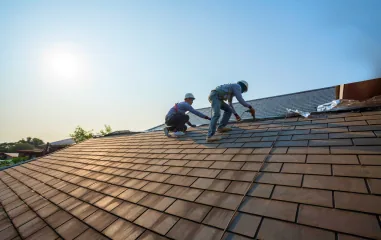
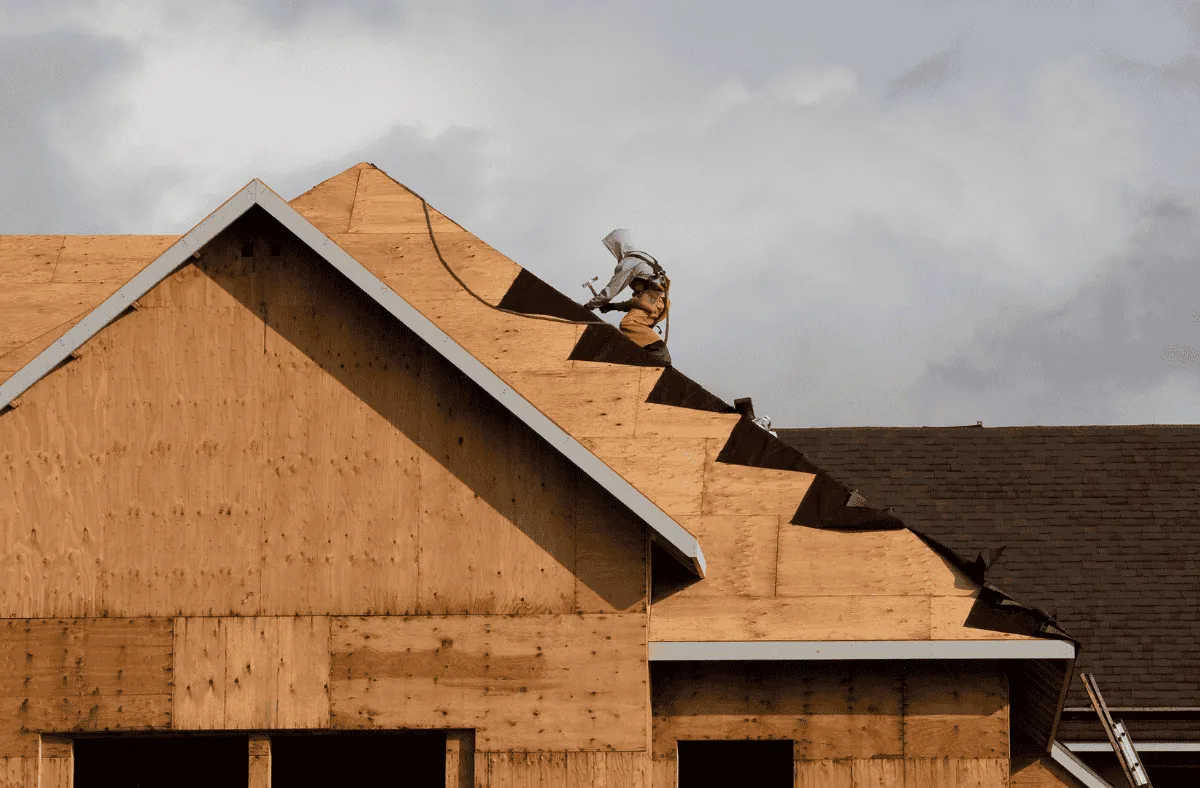
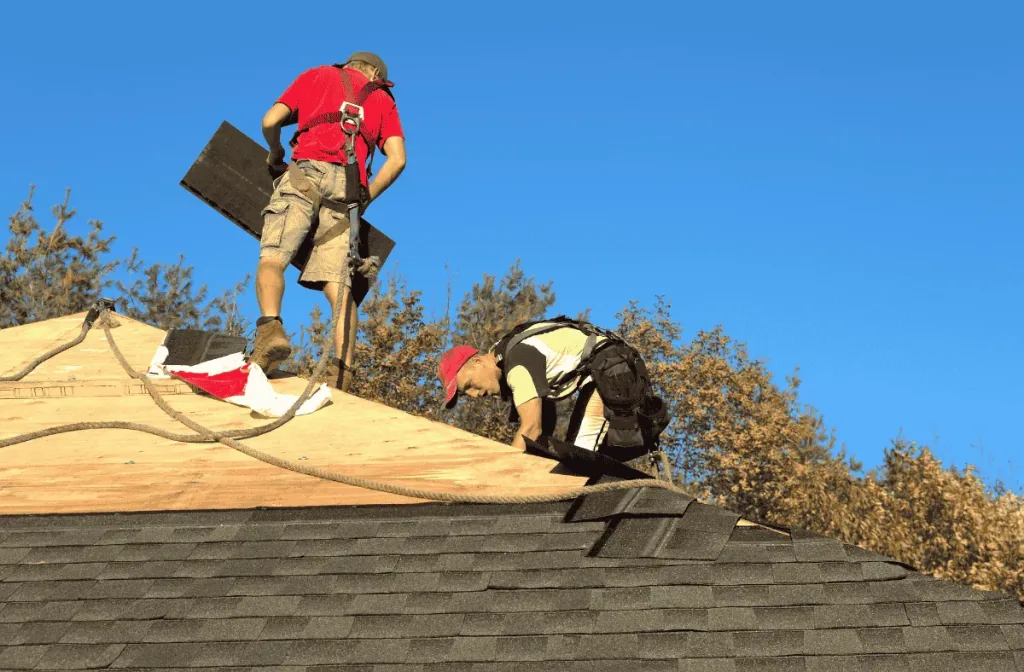
Step 4: Tear-off and prep. The crew removes the old roofing material down to the decking, inspects for any underlying damage, and replaces damaged decking boards before the new system goes on.
Step 5: Installation. New underlayment, shingles or other material, flashing, and ridge vents are installed. Most single-family residential replacements in San Antonio are completed in one to three days.
Step 6: Cleanup and inspection. A thorough cleanup of the property is completed, including magnetic passes to collect roofing nails. The project manager does a final walkthrough with the homeowner.
Step 7: Owner follow-up. After every project, M&M Roofing founder Doug Moncure personally calls the customer to confirm they’re satisfied. That’s not a scripted customer service call. It’s a direct line to the person accountable for the work.
See M&M’s full guide on what to expect from the roof replacement process for more details.
How Do You Choose a Roofing Contractor in San Antonio?
San Antonio has a real problem with storm-chaser contractors. Every significant hail event in Bexar County brings out-of-state or out-of-area companies trolling neighborhoods looking for quick work. They’re often unlicensed, uninsured, and gone before the warranty is worth anything.
Here’s what to look for when vetting a roofing contractor:
Years in business. Companies that cut corners don’t survive long. A contractor that’s been in business for 10 or more years in the San Antonio market has a track record you can verify. Forty-plus years of continuous operation, like M&M Roofing since 1983, means the company has weathered market downturns, material cycles, and many generations of San Antonio homeowners.
Verifiable local reviews. Look for Google reviews, BBB accreditation, and Angi ratings from actual San Antonio homeowners. A company with 1,400+ Google reviews has a history that’s hard to fake.
Written warranty. Any serious contractor backs their work in writing. M&M Roofing provides a lifetime labor warranty on all new roof installations. That warranty is only as good as the company standing behind it, which is why tenure matters.
Local presence. Make sure the company has a local address and local phone number, not just a call center. Verify they have a crew that actually works in San Antonio rather than a subcontracted team from elsewhere.
Same inspector, same project manager. One of the most common contractor failures is the handoff problem: the person who inspects your roof disappears after the sale, and a different crew shows up to do the work. M&M Roofing uses the same person from initial inspection through project completion for continuity.
No large upfront deposits. Legitimate contractors don’t require full payment before work begins. Be cautious of any contractor demanding large deposits up front.
For a deeper look at what separates reliable contractors from storm chasers, see M&M’s guide on selecting the right roofing contractor.
Frequently Asked Questions
How much does roof replacement cost in San Antonio in 2026?
Most San Antonio homeowners pay between $8,000 and $22,000 for a full roof replacement, depending on home size and materials. A 2,000 square foot home with architectural shingles typically runs $13,000 to $18,000. Impact-resistant shingles cost $15,500 to $22,000 for the same size home. Metal roofing runs higher. If the damage qualifies as an insurance claim, many homeowners pay only their deductible out of pocket.
How long does a roof last in San Antonio?
In San Antonio’s climate, architectural asphalt shingles typically last 18 to 25 years. Standard 3-tab shingles often reach the end of their life closer to 12 to 18 years. Metal roofing lasts 40 to 70 years. Clay tile can last 50 to 100 years. San Antonio’s extreme heat and UV exposure compress asphalt lifespans relative to national averages.
Does homeowners’ insurance cover roof replacement in Texas?
Yes, if the damage is caused by a covered event such as hail, wind, or fallen trees. Wear and tear, age-related deterioration, and lack of maintenance are typically not covered. Texas homeowners should document storm damage with a professional inspection before filing a claim, and be aware that many policies carry a separate hail or wind deductible.
How do I know if my roof was damaged by hail?
Look for circular bruises or spots on shingles where granules have been knocked loose, dents in metal vents or gutters, and cracked or missing shingles. Many hail impacts are not visible from the ground. A professional inspection is the only reliable way to assess the full extent of hail damage. M&M Roofing offers free roof inspections in San Antonio.
What is the best roofing material for San Antonio’s climate?
For most San Antonio homeowners, architectural shingles offer the best balance of cost, durability, and performance. Impact-resistant Class 4 shingles are the best choice for homes in high-hail-risk neighborhoods like Stone Oak, Churchill Estates, and Rogers Ranch. Metal roofing is the top performer for UV resistance and longevity, making it the best long-term investment for homeowners who plan to stay in their home.
How long does roof replacement take in San Antonio?
Most single-family residential roof replacements in San Antonio are completed in one to three days, depending on the size and complexity of the roof. Weather delays are possible during San Antonio’s spring storm season. M&M Roofing provides a project timeline as part of the estimate process.
Should I repair or replace my roof?
The answer depends on the age of the roof and the extent of the damage. If your roof is under 10 years old and the damage is isolated to a small area, repair often makes sense. If your roof is more than 15 to 20 years old or has widespread damage, replacement typically delivers better value. Patching an aging roof can lead to repeated repair costs that exceed replacement in a short time.
What is M&M Roofing’s service area in San Antonio?
M&M Roofing serves homeowners throughout the San Antonio metro area, including Alamo Heights, Stone Oak, Helotes, Schertz, Cibolo, New Braunfels, and Boerne. The company has operated in the San Antonio market for decades and understands the specific climate and neighborhood conditions that affect roof performance in each area.
Roof Replacement in San Antonio: Making the Right Call
A roof replacement is one of the largest home improvement decisions most San Antonio homeowners will make. It’s also one of the most consequential. The wrong material, a contractor who disappears after the job, or simply waiting too long: each of those mistakes creates problems that compound for years and cost far more than the replacement itself would have.
San Antonio’s climate doesn’t give you a lot of margin. Roofs age faster here than in most U.S. markets. Damage accumulates faster. The window between “probably fine” and “this is now a serious problem” is shorter than homeowners expect.
The best move is a proactive one. Get an inspection before a storm forces your hand. Know what your roof’s condition actually is. Make the replacement decision on your timeline, not a hailstorm’s.
M&M Roofing has served San Antonio homeowners since 1983. With over 100,000 completed projects, 1,400+ Google reviews, and a lifetime labor warranty on every new roof installation, the company brings the tenure and personal accountability that a decision this size requires. Every project ends with a personal call from founder Doug Moncure to confirm the work meets your expectations. That’s not a formality. It’s a commitment.
Schedule your free roof inspection with M&M Roofing’s San Antonio team → and find out exactly where your roof stands.
References
[1] National Roofing Contractors Association — Roof Repair and Maintenance
[2] Invision Roofing — How Does Extreme Heat Affect My Roof in San Antonio?
[3] Insurance Institute for Business and Home Safety — Hail Research